Category

Industry News

Last week, I had the opportunity to speak to a group of ~100 college students on a panel about finding your niche in digital marketing.

After the panel members gave quick intros, I asked the room for a show of hands of who had heard of Pardot. Zero hands.

Hubspot? 3 hands.

Marketing automation? 1 hand.

I was floored that in 2017 we can graduate any kind of marketing major without introducing them to these vendors and concepts. Most major marketing automation platforms were founded 10 years ago, so this is no longer bleeding edge stuff — it’s a core pillar of what it means to do digital marketing today.

And even more painful is the fact that students IN ATLANTA wouldn’t know about Pardot, which is one of the city’s greatest startup success stories.  We’ve got to do better.

What I learned in school about marketing

Like many digital marketers I know, I didn’t actually study marketing. I was fortunate, though, to have stumbled upon an elective class on CRM that opened my eyes to the fact that this was even a field (shoutout to Marquette professor Scott Rex for pioneering that course).

Then, at my first job out of college, I worked for a really innovative insurance brokerage (yes, innovation and insurance can co-exist) that was a perpetual early adopter of technology. I went to Dreamforce in 2011, caught the Salesforce bug in a big way, and proposed implementing Pardot — and the rest is history.

This experience and early exposure to the Salesforce platform completely changed the trajectory of my career.

What can we do to expose more people to marketing automation?

Salesforce powers that be, if you’re out there listening — I’d love to see some of that 1-1-1 or #Trailhead4All sugar shared with colleges and universities that are willing to teach about Pardot and marketing automation.

Could we use Trailhead to bridge the gap? How might we adapt this content for use in a traditional higher education setting?

In the meantime, for those of us “boots on the ground” Pardot admins, there are a few things I can think of that might help:

1)  Work on the elevator pitch of what we do

Ever had to field one of those “so what do you do?” questions at a holiday party or event with mixed company?  It’s hard to explain to the general public what goes into marketing automation and CRM — my mom refers to it as “computers and emails and stuff.”

Does anyone have a nice, concise answer to this question?  If so, please share in the comments. I’m still working on mine, clearly.

Simplifying and shaping the narrative could play an important role in raising awareness about our field.

2) Be a guest speaker at colleges and universities

Could you reach out to the marketing department at your alma mater or local schools and offer to speak to their marketing classes about what you do?

Hey, it’s great practice for pitching your ideas and especially for how to break down your efforts for someone who doesn’t know much about your job.  You can probably think of a few people like that in your company that you need to persuade, am I right?

3) Mentor a student

If you can’t find a class to change… how about one person?  Year Up Atlanta, Big Brother Big Sister, and GLOW are a few great organizations if you’re based in Georgia.  If not, a quick Google search will likely reveal several worthy groups in need of your time and experience.

4) Offer internships

Interns definitely take hand holding and an investment of time and energy, but can be a great talent pipeline and a way to introduce others to the Salesforce and marketing automation ecosystem.

(Soapbox sidebar: Interns ARE NOT an acceptable source of free labor. If that’s what you think of them as, just don’t hire them.  I feel really strongly about this, but that’s a subject for another blog post.)

5) Start ‘em young

The wonderful Bryan James from MapAnything recently organized a Salesforce event with his daughter’s Girl Scout troop. To earn their “computer expert” badges, the girls learned about Salesforce and used Trailhead to learn how to build their own lemonade stand app.

How cool is that?  Are there any other groups of “youngins” in your life that you could offer early exposure to the platform?

Let’s help young talent get beyond this “accidental admin” stuff

Many of us fell into marketing automation and CRM by happenstance… but this doesn’t have to be the case for the next generation of digital marketers.  We have an opportunity, even a responsibility, to be purposeful about exposing young people to their career possibilities in this field.

And we still have a long way to go…

In the Success Community, Brittany R. reached out to me and asked if I was planning to blog about secure Pardot URLs and how this relates to the Chrome browser update.

Not going to lie, I knew zero things about this.  So like a good admin does, I got to Googling… and what I found out has me mildly concerned.

Wait, what now?

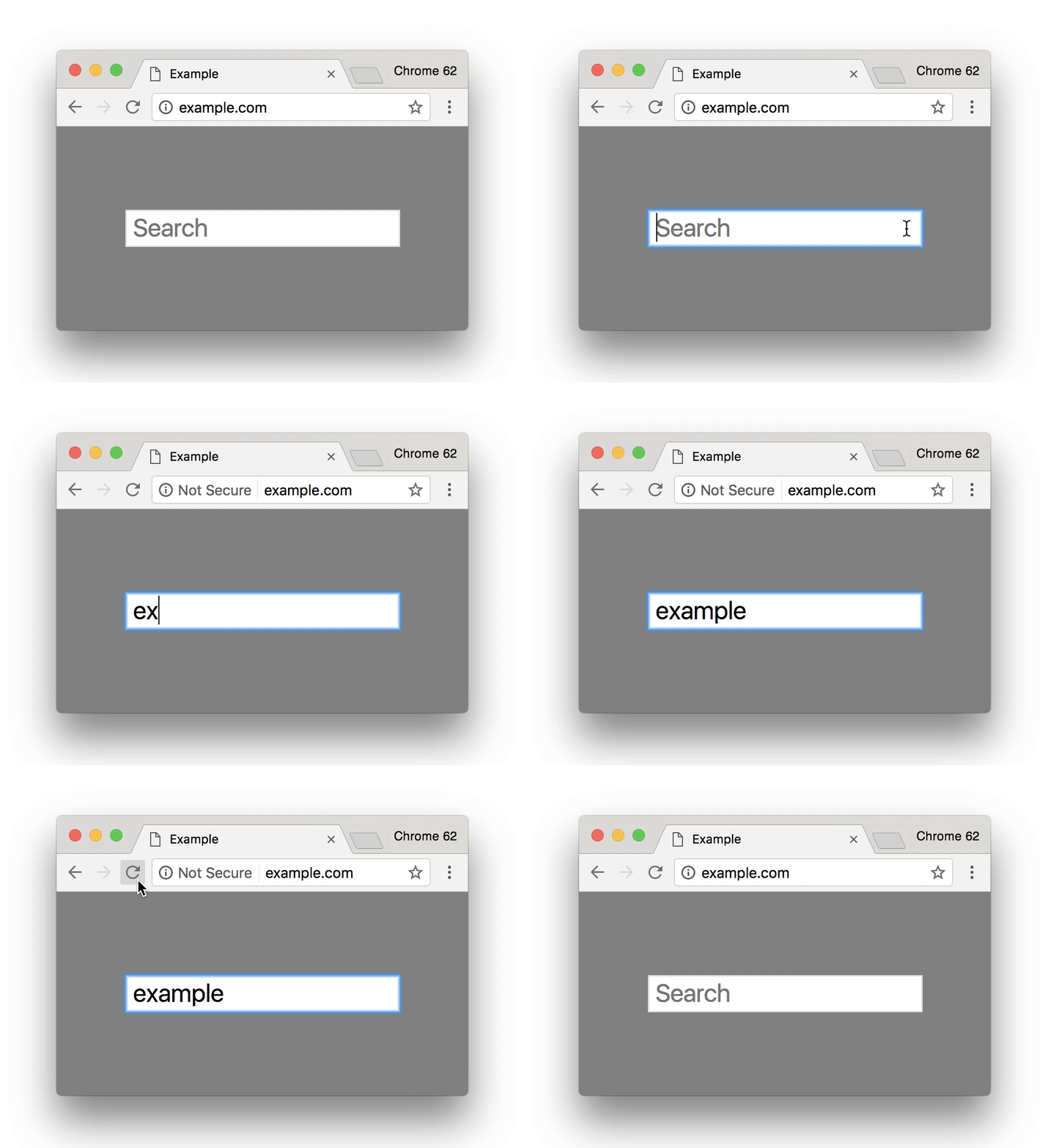
So here’s the scoop. Google recently notified web admins that starting in October (how is it October already?) HTTP web pages with forms will be marked as “not secure” when the user enters data. It will also show this alert continuously if the user is viewing the site in incognito mode.

So when someone starts filling out a Pardot form (or any form, for that matter) on your site, they will see an alert that what they’re doing is “not secure.”  Like so:

Are you thinking what I’m thinking? No bueno for conversions.

Okay, but what’s the difference between HTTP and HTTPS again?

The short and non-technical story: HTTPS adds an extra layer of security. Sites that use HTTPS have an “SSL Certificate” that encodes their data as it passes from their server to the user’s browser.  

Some extra vocab for you: the security during the transfer is called the Secure Sockets Layer (SSL) and Transport Layer Security (TLS).

You can get SSL Certificates from a number of providers and should check with your hosting company on the specific steps to get this in place for your site.

Why Google, WHY?

Google is just looking out for the browsing public.  Since January, when you visit HTTPS sites in Chrome, you see a little green padlock that indicates it is “secure” (as you may or may not have noticed).  For example:
Secure Pardot Link

But studies show that the general population doesn’t see the omission of this icon as a warning.  Actually, they don’t think that much about security at all unprompted.  

So this is Google’s effort to making its browser safer and making us all more #woke digital citizens.

What Pardot content will be impacted?

The good news: Pardot already does support HTTPS in its content and tracking URLs.  Just make sure you add the “s” in the https://go.pardot.com links.

The bad news: Pardot does not support HTTPS in vanity domains yet.  Since Pardot only has a security certificate for the pardot.com domain, your go.mydomain.com links will not be HTTP secure. Update: SSL for Vanity Domains Now Available

Regardless of whether you use HTTPS Pardot links though, if your site does not have an SSL certificate (i.e. you’re still HTTP) your users will see this warning message.

What should Pardot admins do about this?

It’s tempting to ignore this. Your website will continue working fine.

But this is one of many steps Google will be taking to beef up Chrome security. An estimated 50% of Internet users use Google Chrome as their browser, so it’s a gamble to hope that your target audience isn’t going to be turned off by this “not secure” warning.

I’d recommend doing 5 things to stay ahead of this:

1. The obvious one… get an SSL certificate.

That’s what Google wants.  More on how to do that here.

The default for native Pardot forms when you click “View HTML code” is HTTP — so definitely take a look at these and update where ever you have them placed on your site.

More on this from Pardot here.

3. Look for other “mixed content” that can cause security issues

Are you iFraming other HTTP content, like YouTube videos or social sharing widgets?  If this is on an HTTPS page, you may still have the “not secure” warning served.  

Here’s a great article on how to identify where this mixed content might live so that you can get it updated.

4. Monitor your conversion rates like a hawk

We don’t yet have data on how this will impact user behavior, so start gathering your own.  Benchmark current landing page conversion rates, and take a look in 30 days to see if it’s changed.  

If you haven’t done 1-3 above and you notice a dip… well, you know what to do.

5. Enroll in the pilot for SSL for Vanity URLs

Pardot is piloting SSL for vanity URLs (i.e. those go.mydomain.com ones) in the Winter release. Contact your AE if you want to give this a whirl.

What other questions do you have?  

Thanks again Brittany R. for suggesting this topic!  What other questions do you have on HTTPS / SSL?  Any other burning questions we can dive into here?

Let me know if the comments!

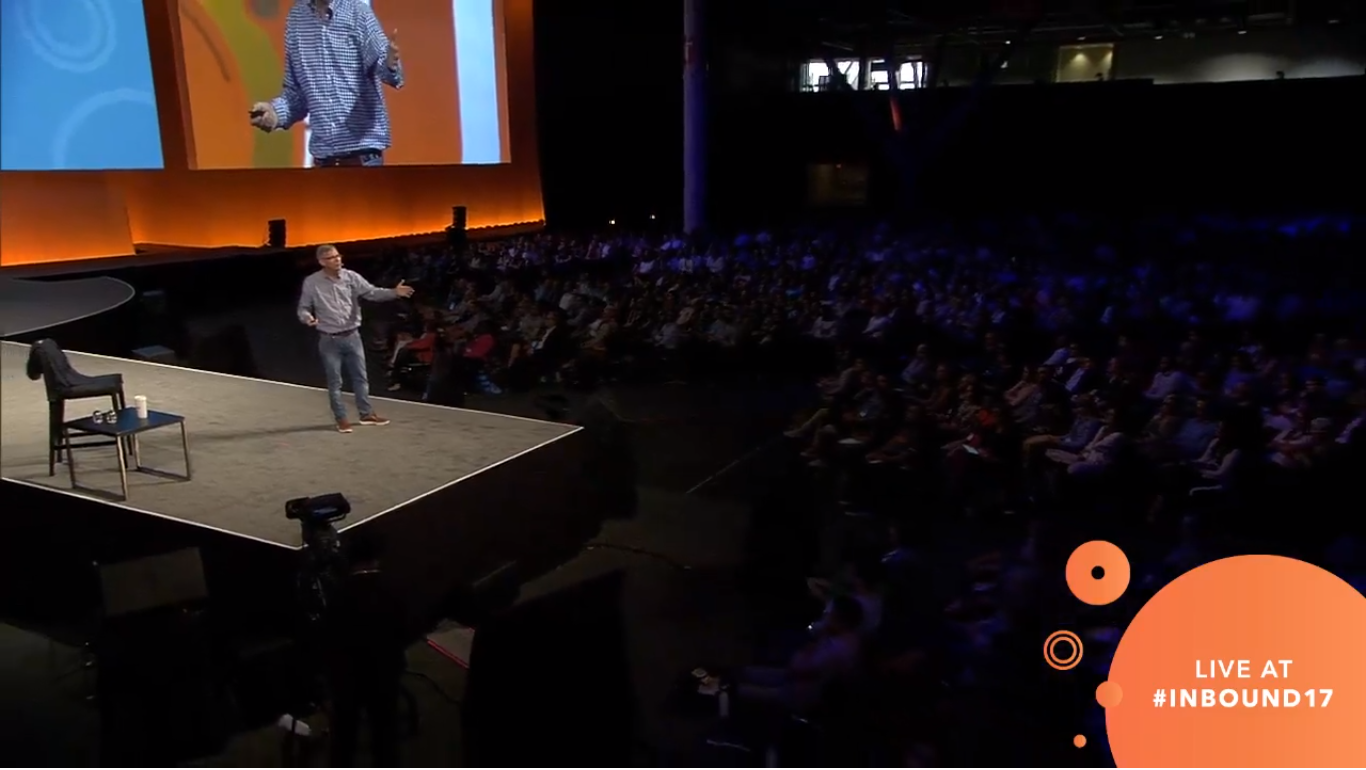
Okay, let me start off by saying I have massive FOMO that I’m not at #Inbound17. Honestly, I don’t even like conferences that much when I’m at them… but when I’m NOT at them, I just gaze longing at my Twitter feed in the grips of crushing envy.

So when I saw that the Inbound keynotes were being live streamed yesterday afternoon, I signed up right away…and it did not disappoint. If you’re a Pardot user/admin, here are the top 5 things you won’t want to miss from the extravaganza.

Wait, why would a Pardot-obsessed blogger care about Hubspot’s user conference?

Things move fast in the martech world, and checking out what the competition is doing is the key to staying on the edge. I want to know where the market is going so I can advise my clients accordingly, and/or #VoteAndPromote Pardot product enhancement requests that will keep moving the product forward.  

Pardot is my platform of choice, because I truly believe it’s the best product available for the largest and most interesting subset of the market.  But blind loyalty isn’t my thing — and I’m always on the lookout for what’s new.

1) Getting in the game is easier than ever before — but scaling has never been harder

Barriers to entry (both for businesses in general and for starting marketing automation programs) are dissolving. But the difference between “doing it” and “doing it well” has never been so pronounced.

There is so much bad marketing out there. In many market spaces, you will leapfrog the competition just by executing the basics of email marketing and lead nurturing with a little creativity.  There’s an abundance of room at the top for those who are willing to do the hard work, commit to a strategy, and execute.

2. Marketing (and Pardot) is for more than prospects

Your brand is built through every interaction with your prospects, customers, employees, and partners.  Why relegate marketing to the top of the funnel, and why stick to prospects only?  We need to rise to the occasion and need before us to help shape the message and experience across all levels of the business.

How might you use Pardot to better align with sales?  Where do your efforts have synergies with customer service and loyalty? Could HR and employee communications benefit from some of your “nurturing” secret sauce?  

3. Use your technology powers for good not evil

Hubspot announced last week that it bought a bot company, and flaunted some of the shiny new features at their product keynote.

What’s the fastest way to make bots uncool?  Give them to Hubspot customers for free.  (Okay, that’s not very nice… I’m just kidding, no one get offended.)

In all seriousness, there are so many cool gadgets emerging in the world of marketing technology.  Making these accessible to the masses, at a low cost, with clicks-not-code configuration has the power to be a wonderful thing — but it also opens the door to prolific and scalable bad marketing.  

Use these tools to build beautiful things, please. If I see a bot that leads with Press 1 for English, Press 2 for Spanish I swear I’m quitting.   

4. Campaign influence reporting is the next frontier

Multi-touch attribution is like bitcoin: it’s something we’ve been talking about for forever, but very few people actually understand it or act on it.  

This has to change, no question. Marketing’s ability to prove contribution to pipeline (both in sourced and influenced opportunities) is the key to keeping a seat at the executive table and capturing budget dollars.

Hubspot’s on top of this trend, and rolled out some impressive new reporting functionality around campaign KPIs. They’re gunning to build bona fide attribution models, and this would be huge for their customers.

Salesforce/Pardot are doing some amazing things in this space too by the way, but that’s a subject for another post.  (And PS – the new Pardot Edge Pilot is rumored to take this to the next level in a big way.)

5. B2B needs to evolve and be more human

The way people consume content online is changing.  How can we evolve our approaches to create quality, engaging, thoughtful that fits our consumers’ browsing habits?

A few key shifts: Buyers are reading less content like the one that I’m writing right now (so thanks if you’ve gotten this far) and their attention spans are continually getting shorter.  Google is constantly moving the goal post (as always), social has evolved to largely pay-to-play, and the silent movie is back in vogue.  

“Consumer” platforms like Facebook are 110% fair game for B2B.  We don’t stop engaging with people and brands when we go to the office. If you haven’t tried Facebook ad campaigns, throw a quick experiment up — in the trials I’ve run for my clients, they’ve consistently proven to be one of best and most cost effective ways to generate leads.

What are your takeaways from Inbound?  What competitors do you have your eye on?

Would love to hear your take — chime in via the comments!  

No more posts to show