Category

Real Talk

Product Note: Marketing Cloud Growth and Advanced are editions of Marketing Cloud Next and have also been referred to as Agentforce Marketing.

I want to clear up a misconception that I’m hearing in the Salesforce world about the great $0 SKU Data Cloud debacle.

As you may recall, Salesforce announced at Dreamforce 2023 that a Data Cloud edition would be available at no cost to Sales and Service Cloud Enterprise Edition clients. This was also mentioned in Salesforce’s February 2024 press release around Marketing Cloud Growth Edition

To be clear, you still need Sales or Service Enterprise Edition to take advantage of this offer. Having just Marketing Cloud does not make you eligible.

Sales and Service Enterprise Edition Customers: What to do about no-cost Data Cloud offer

Now that we’ve clarified any confusion, you might say, “Great, I have Enterprise Edition — I want to get an account provisioned today!” And I would say, “Get prepared first.”

Data Cloud is a game-changer capable of driving remarkable transformation within your organization. Hence, having a well-crafted plan, strategy, and vision in place is paramount.

It’s the basis and foundation of change management — without a plan, vision, consensus, understanding, etc., you might as well stop before you even start.

Speaking from experience, diving into Data Cloud without a clear plan often leads to:

  1. Misconceptions: A perceived lack of product value.
  2. Tension: Without a collaborative mindset, conflicts can arise.
  3. Loss of Momentum: Initial interest and excitement wane over time.

However, before devising a plan, it’s crucial to assess your organization’s readiness. 

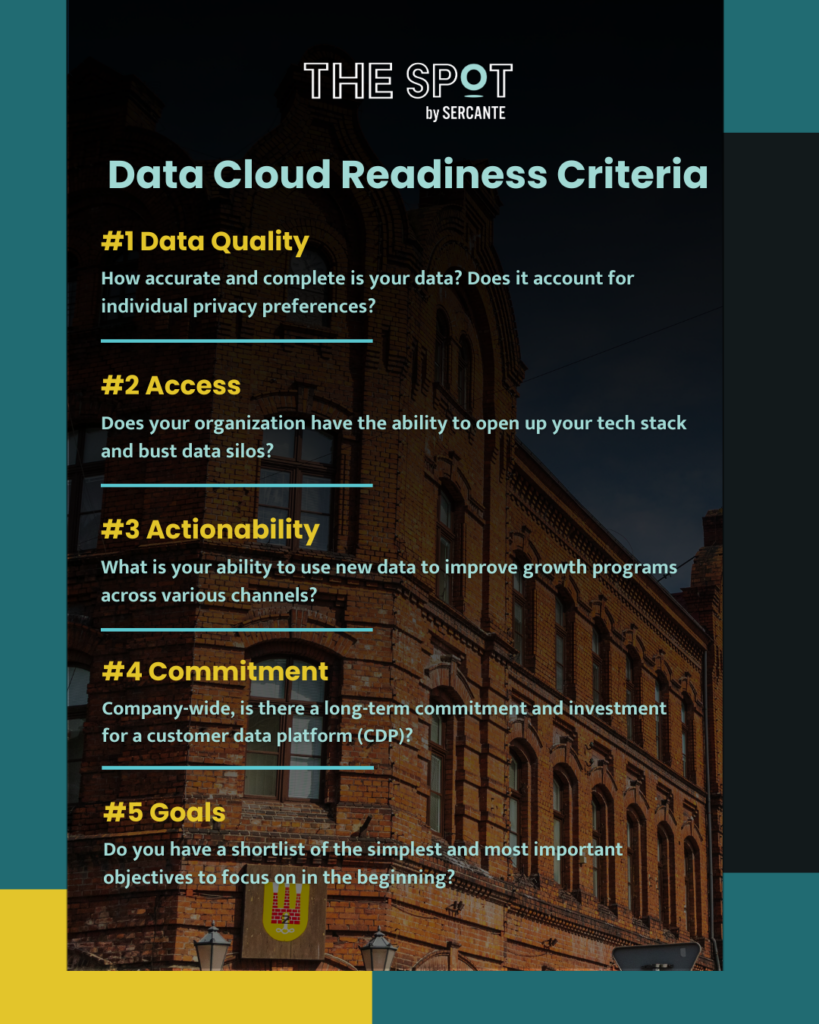
Data Cloud Readiness Criteria

Consider these five key aspects:

  1. Data Quality: How accurate and complete is your data? Does it account for individual privacy preferences? 
  2. Access: Does your organization have the ability to open up your tech stack and bust data silos?
  3. Actionability: What is your ability to use new data to improve growth programs across various channels?
  4. Commitment: Company-wide, is there a long-term commitment and investment for a customer data platform (CDP)?
  5. Goals: Do you have a shortlist of the simplest and most important objectives to begin with?
data cloud readiness criteria

Get a Data Cloud Readiness Assessment

We’re here to assist you in preparing for Data Cloud. Reach out to explore our Data Cloud Readiness Assessment offering so you can be sure your organization is primed for success.

Product Note: Marketing Cloud Growth and Advanced are editions of Marketing Cloud Next and have also been referred to as Agentforce Marketing.

ICYMI: Salesforce dropped a hot product announcement yesterday. And she’s called Marketing Cloud Growth Edition

There was a flurry of blogs and social postings following the official drop of the Salesforce press release, notably: 

To hear some talk, MC Growth Edition is going to instantly change everything and be the best thing in the world. 

On the flip side of the spectrum, I’ve seen some hyper-skeptical commentary around MC Growth Edition. “It’s SMB only”, “It’s going to take years to catch up”, and “You don’t have to worry about this now,” (I’m sensing a twinge of fear/self-doubt intermingled in these statements, though).

Like most things involving extreme opposites, the current reality and answer to “What is Marketing Cloud Growth Edition?” is somewhere in the middle of these two takes.

Let’s dig into some of the nuances here and read the tea leaves. If I could boil this down to a top 5 highlights, they would be: 

1) Marketing Cloud Growth Edition is built on “Core,” and that’s a fundamental advantage for innovation 

Marketing Cloud Growth Edition is built on the Einstein 1 platform — aka the same underlying infrastructure as Sales Cloud, Service Cloud, Experience Cloud, Data Cloud, and recently, Commerce Cloud. 

Marketing Cloud Engagement is NOT on core today (but it’s integrated).

Pardot / Marketing Cloud Account Engagement IS on core… kind of. It’s a blend of on and off-core. Call it “near core” if you need another buzzword for your collection.

Many long-time Pardot customers have been rallying around the vision for “Pardot on Platform” for the last several years. And if you’ve been watching closely, you may have noticed that many of the product enhancements delivered in recent years have been either built-in core, rely heavily on components from core, or had prerequisites of things like enabling SSO with core. 

Why does this “on core” distinction matter, though? The simplified answer is that as new things are released, you can take advantage of those within other “on-core” tools. Examples would include things like Flow for automation, UI enhancements like Path, improvements to Salesforce reporting functionality, etc. These product innovations can be leveraged for the most part across objects and clouds that are built on core. 

So TL;DR — MC Growth Edition being on the Einstein 1 platform means that when enhancements are added to Salesforce and Data Cloud, we don’t have to wait for an integration to come out to use them in the marketing department. We will be able to take advantage of these enhancements immediately, in many cases.

2) The significance isn’t what’s available now — it’s about the vision 

In subsequent posts on The Spot, we’re going to be getting way in the weeds of how MC Growth Edition works and outlining functions and constraints of the current builders. 

There will be edition comparison guides.

Screenshots.

Pros & cons lists.

But amidst all of this, I would emphasize that what’s generally available now isn’t the important thing to look at unless you are actively evaluating a platform to purchase in the next 30 days. The exciting thing about MC Growth Edition is about where the product is headed.

Salesforce has an aggressive vision for this, and looking at the speed with which Data Cloud has grown, I’m betting on them to move FAST.

3) Expect to see a focus on unifying builders & tooling 

A friction point for existing customers is there are usually several ways to do things in different clouds. We have two email builders in Pardot. Another email builder in Salesforce. And an entirely different content builder in Marketing Cloud Engagement. 

Expect to see these tools start to converge, with Marketing Cloud Growth Edition as the first mover for shared functionality. 

One email builder. 

One landing page builder. 

One segmentation engine (built on Data Cloud).

(P.S. The buzzword for this concept is “composable services” — as a new tool is built, expect to see it designed in a way that it can be used and leveraged in multiple parts of Salesforce. We’re already seeing examples of today for more behind-the-scenes things of Pardot/Marketing Cloud, like the backend email sending engine.)

4) This makes AI real 

I’ve been listening quietly to all of the headlines about generative AI for the last year. 

Listening, because as Thumper says, “if you can’t say something nice, don’t say nothing at all.” 

The picture has been painted like this: 

  • You’re working with smart marketing automation tooling
  • You log in and the system can suggest a target audience for you 
  • It can suggest a product offer for you 
  • Heck, it can write your content from a campaign brief 
  • AI tells you when to send your email
  • AI makes it omnichannel 
  • Campaign results come flooding in… and yes, AI analyzes that for you too 
  • We cheers with our Mad Men era old fashioneds because the computers do all of the heavy lifting for us

That sounds nice, but also super unattainable with today’s tooling.

The elephant in the room: No one’s data is that organized. Systems remain super siloed. And the systems most customers are on today don’t solve for that. 

Until now. 

Marketing Cloud Growth Edition is the vision for how we move past that. It’s the beginnings of the shared infrastructure and unified data that get us to the AI-shaped pot of gold at the end of the rainbow.

Bring on the robots.

5) Existing customers are going to see the benefits too… without switching

Customers new to marketing automation, or new to marketing with Salesforce should absolutely evaluate MC Growth Edition.

Pardot and Marketing Cloud Engagement customers should wait a bit before asking themselves “Should I switch?” Largely because they may find they get some of the “good stuff” without having to switch.

We had two team members (one from a Pardot background, and one who’s an OG ExactTarget pro) participate in the pilot of MC Growth. What we saw is that Salesforce is thinking very carefully about how to share the value of the development work being done in MC Growth with its existing customer base. 

Over the next few months, customers will start to see new features you can opt into or just turn on in your org. It’s not going to be a “migration” or a requirement to move anything — just a gradual transformation and growth in the tools that are available to you as more of these composable services are built and shared.

The future looks bright 

One thing is for sure — the next chapter is going to be anything but boring for marketing technologists on the Salesforce platform!  I’ve never been more excited to grow in this ecosystem <3

Let’s just start by stating a few facts: we live in a super-connected, yet totally disconnected world. Nobody wants to go back into the office (yes, I’m going here two sentences into this blog post, so hang on to your seats!), but everybody wants to be virtually plugged in 24/7. Nobody wants to actually drive to the store, but everybody wants the stuff they order from their phones to arrive the same day. 

How in the world do we actually reach and keep up with our consumers?! It’s a funky time for marketers to market! 

People to power the tech strategies

We’re forced to rely on the creme de la creme of marketing products and strategies to keep up with the completely crazy consumer lifestyle. At this point, you’ve been living under a rock if you aren’t aware that Salesforce marketing tools have been a  top choice for companies both big and small for eons. Just last month alone, Salesforce was yet again announced as a leader in the Gartner Magic Quadrant — both for B2B Marketing Automation and Multichannel Marketing Hubs. Thank goodness for solutions!! 

So we’ve got this huge marketing opportunity, and we’ve got amazing tools from our friends over at Salesforce, but what happens next? NOTHING is more irritating than being told a product, appliance — really, anything — will solve all of our woes. And right after we sell the farm to pay for the golden solution, we realize we actually have no clue how to use it. 

That’s when frustration and immediate buyer’s remorse starts to sink in.  We so desperately need people to implement the technology [CORRECTLY] and teach us how to “do all the things.”   We need an advocate, a guide, a mentor, a technical wiz — someone who has walked in our shoes and will tell us exactly how the solution will make our lives much easier, as it was promised, once our sales rep is long gone chasing other deals down to meet their quota. The question is: what trees do these people grow on and how do we even know what to look for?

Key differentiators in MarTech talent 

Candidates are flying off the shelves. Offers are being extended left and right. Employees aren’t settling for “mediocre” in the name of loyalty as their parents and grandparents did and are now choosing to leave if they don’t feel a work environment, team, or job meets their expectations. Everyone is working fast to scoop up the top talent and retain them. 

Speaking of….What exactly defines “top talent” in MarTech?

To set the record straight: I hate despise strongly dislike the phrase “top talent.” It reminds me of old school staffing industry terminology where any candidate you wanted to pitch to a client is “top talent” <insert eyeroll and puke emojis>. 

But in reality, there are differentiators we look for here at Sercante when hiring that set candidates who could probably do the job apart from candidates we know our clients are going to be over the moon to work with. 

What exactly are these attributes, might you ask? Well dear reader, keep on reading. 

A technology lovin’ kinda person 

Yes, you may have your certs, that Coursera course on coding under your belt, and know your way around the backend of the system. But do you actually think it’s cool? Do you geek out on reworking the puzzle pieces to better serve the environment in which the technology will be used? Do you tinker with other related Salesforce marketing tools just because you like to? This is what sets apart someone who does it because they have to from someone who does it because they WANT to. 

I’ve told nearly every candidate I’ve hired in technology that the job will get boring very fast if you don’t actually think it’s cool and interesting. And I stand by that. You’ve gotta love the product for your excitement and knowledge to shine through to a customer. The passion for the technology in a candidate unlocks the keys to the kingdom for our clients.

The project manager hat 

Every job has some flavor of project management. Even in recruiting, we have hiring deadlines to meet. Hiring managers to chase down to make sure we stay on track. A budget to be mindful of, and an approval process if we need to go outside of the budget. Standing updates to give so they know we’re actually working and are aware of the wins and challenges. The list goes on!  

If you’re actually PMP certified, you’re probably rolling your eyes at this point because being a project manager means so much more than this — and, you’re right. We get it.

 BUT, there is truth that even if you’re the guru for Marketing Cloud implementations, if you can’t wrangle a bunch of other people who have competing deadlines and projects and drive them together towards a collective goal — you just ain’t gunna be successful (sorry not sorry for southern grammar to hit home the emphasis). That project management mindset and experience is crucial to make sure we do what we say we are going to do, the way we say we’ll do it, and nothing slips through the cracks. 

Mother Goose Instincts. I mean, a consultative approach. 

Being able to check off the to-do list is great and feels like an accomplishment. We did what we were asked to do — hooray! But, there’s more to it than a list. 

Knowing how to anticipate and recommend what even needs to be on the to-do list is what elevates a MarTech candidate. Leading with empathy. Anticipating what’s around the corner and planning ahead. Thinking big picture of how the project/implementation/audit/etc. impacts the rest of the business. Digging into the other pain points not mentioned in the original scope that we also may actually be able to help with in the future. 

These are all beautiful phrases that sound easy and natural, but in reality, take time and courage to develop. They are the difference between a “they can get the job done” kinda hire and a “our CSAT is 5/5 because Client XYZ can’t live without our consultant” kinda hire. 

Sercante + MarTech Talent = Success 

The Secret Sauce 

One question we often get from candidates interviewing with us is what sets us apart from the hundreds of other Salesforce partners in the ecosystem. We LOVE this question. It gives us an opportunity to show how we’ve been successful and in turn, why a lot of our customers choose us. 

In short, we’re marketers at heart. We truly love what we do. A lot of us started on the client side and have walked in a version of our customers’ shoes before. We want to empathize with you and make it easy (hello Sercante core value: Simplifying Complexity). It. Just. Shouldn’t. Be. That. Hard! We weren’t founded off of trying to be the world’s best or biggest consultancy. We were founded off of trying to help marketers and salespeople be wildly successful on the Salesforce platform. 

Landing this plane

If you are a  partner in the Salesforce ecosystem reading this, I hope it encourages you to lift the pen-to-paper bullet points off the job description and think more about the customer and how much of an impact each hire has on customer success, happiness, and truly the long-term success of your own organization. 

If you’re a Sercante client or prospective client who wants a peek behind the curtain as to how we deliver, I hope it’s reemphasized the amount of thought and quality that goes into staffing here at Sercante. If hiring in MarTech is still fuzzy, reach out — we’d love to hear from you and give the gift of knowledge that we’ve gratefully received over the years.

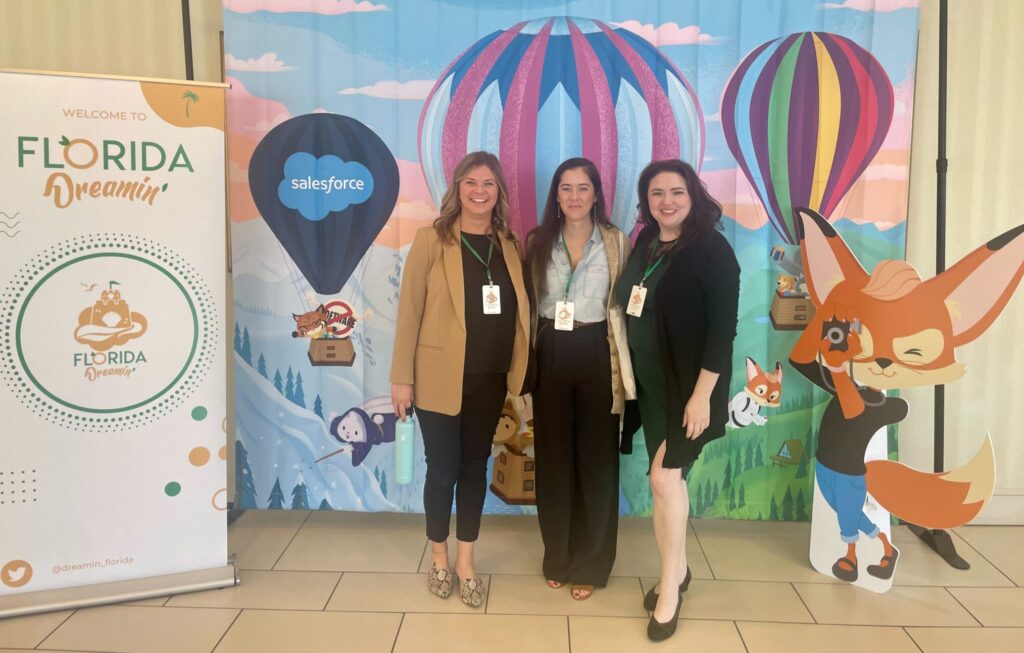
In the beautiful sunshine and chill vibes of Clearwater Beach, FL, Salesforce community members of all kinds came together recently for Florida Dreamin’. The Dreamin’ events are community-led Salesforce conferences around the globe each with their personality. Florida Dreamin’ specifically strives to, “provide inspiration, coaching, and guidance on how to truly blaze your own trail.” 

This comes from a perceived, “gap in Salesforce education when it comes to career pathing and guidance.” From my experience as a first-time attendee, this conference lives up to its vision by serving up an abundance of project management/team dynamics & soft-skill content.  

Of the 44 sessions on offer, over half had a non-technical focus with topics spanning from career path advice and how to negotiate like a pro to advice on building diagrams and running demos that are informative and effective.

Some Soft-Skill Session Highlights

I attended many wonderful sessions across a variety of technical and non-technical topics, but wanted to highlight three soft-skill sessions in particular. Two of them I found especially illuminating and will be taking tips and tricks back to my consulting work and the third one is my speaking session, which I certainly hope provided impactful guidance to those in attendance.

5 Critical Change Management Steps for Successful Adoption

In this session, Paula Cervoni and Stacey Chery of Silverline emphasized the importance of dedicated and continual change management throughout the lifecycle of a project and into the training and adoption phase. Good change management helps get to the end goal of successful happy users which is what we all want! The change management steps Paula and Stacey outlined are:

  • Alignment – to the vision and mission of the project with engagement from Stakeholders, SMEs, Executive Team Members, and end users
  • Communication – a concerted strategy and communication plan to keep users informed every step of the way, 
  • Training – curated applicable training paths for each user group/business role using real-world examples when possible to demonstrate utility, 
  • Reinforcement – making sure that users are actively supported and know exactly who to go to when they have issues at go-live, 
  • Measurement – getting some data behind adoption and success with both formal and informal measurement methods 

With these steps, you too can change manage with the best of them and help your projects succeed, not just from a technical perspective, but from an adoption and satisfaction perspective as well. 

The Surviving & Thriving Handbook for Accidental Admins 

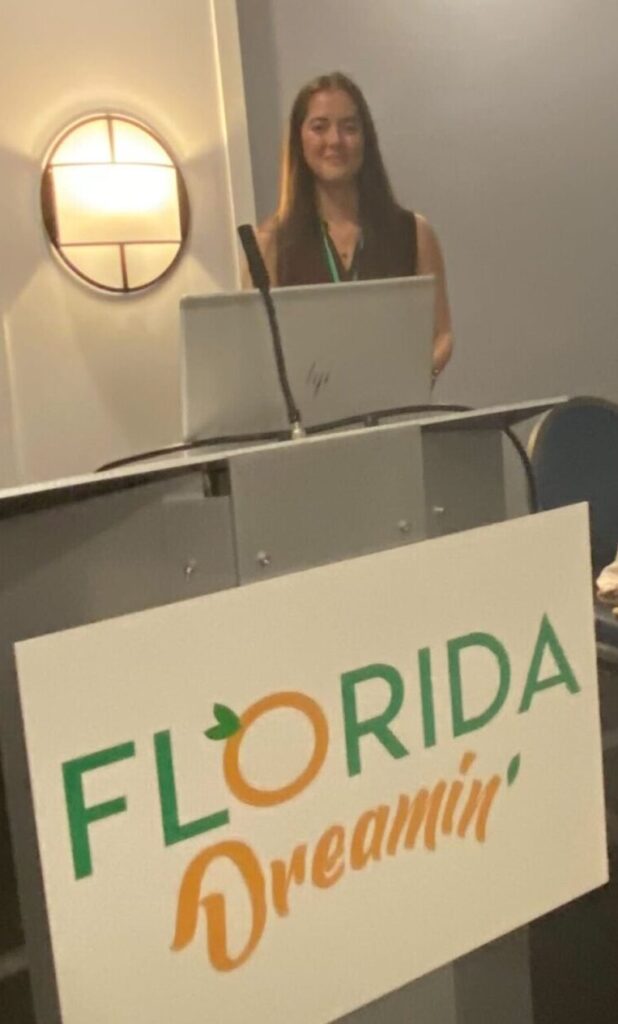
I was honored to give my first-ever Salesforce speaking session at Florida Dreamin’ and am especially happy to be able to join in on the soft-skills theme. My session highlighted my journey into accidental adminship* at a nonprofit organization and the struggles I faced trying to be successful in my day-to-day job as well as my Salesforce Admin duties. 

To help bring myself from surviving to thriving, I enacted a number of actionable processes which streamlined my responsibilities, set expectations for my end users, and increased buy-in and end-user satisfaction. 

Suggested steps for others facing accidental adminship included:

  • Establishing 2x yearly full organization Salesforce expectations and communication meetings 
  • Offering regularly scheduled office hours to your end users 
  • Identifying and leveraging your super users to be your champions, beta testers, and day-to-day support for other users in their departments
  • Setting up a Salesforce Request queue process to allow the Admin to triage, manage, and systematically work through end-user needs and issues
  • Bringing in a trusted partner, such as Sercante, for support

If this sounds like a topic you could use some support on please reach out to Sercante! We are here to help ease your Admin burden.

 * An Accidental Admin is, “someone who had not considered a career in Salesforce until some event brought Salesforce into their work life and who juggles Salesforce admin responsibilities in addition to their regular job” – Source: Salesforce Ben 

Just a Demo? Never! Always Demo Like a Pro

Jennifer Kinstle, Principal Architect at Zennify, gave a super practical guide on how to demo like a pro. She highlighted three key steps to a successful demo which ultimately can lead to increased adoption and project success. 

Her recipe for a great demo is the following:

1. Know the business  – Understand the specific audience you will be demoing to. Tailor your demo to the language and topics that will be most understood and valued by the demo audience.

2. Tell the story – A good demo has a beginning, middle, and end and works with an applicable business use case. Jennifer suggested always “share the why”  – making it clear to your audience why the demo is important to them and their business.

3. Prepare & practice – This includes preparing your space, both physical and digital to ensure there are no unexpected interruptions… error messages or chat messages, and the like.

Jennifer also advises tailoring your demo script to what you need. If you need a full line-by-line script, do that, if you do better with bulleted talking points, then go for it. She also highlighted the importance of the run-through, do the demo exactly as you would for the demo audience in the environment where you will be doing the final demo. This is a critical step to mitigate unexpected errors or bugs so you can fix them before show time.

Following the tips in this session, I feel like I will be able to improve the utility of my demos for my clients.

Florida Dreamin’ for the Win!

Florida Dreamin’ was a wonderful conference experience and a great place to give my first ever speaking session. The manageable size of the conference, beautiful location, and focus on soft skills and the Ohana spirit make this an ideal conference for everyone from the seasoned pro to the brand new trailblazer. 

Gorgeous ocean sunsets and delicious tiki drinks aside, this conference has a strong sense of community and inclusion with loads of meetups (including a nonprofit lunch meetup that I attended) and excursions. Folks were there to learn a lot, network, and have a fun time doing it, and I don’t think you can ask for much more out of a Dreamin’ event. 

Be sure to check out these other posts from my fellow dragons who attended Florida Dreamin’ with me and shared details about their favorite sessions there.

Living in a fast-paced world of technology, it’s easy to get caught up in the whirlwind of innovation and lose sight of the human element. We can occasionally prioritize the tools and systems we use over the people who rely on them. 

I had the honor of attending Florida Dreamin’ in October 2023. I was especially inspired by one session in particular.

Here’s a summary of that session.

Insights from Daniel Gorton’s Florida Dreamin’ Presentation

Daniel Gorton, a Salesforce architect with a unique background in social work and psychology, recently delivered a thought-provoking presentation at Florida Dreamin’ that reminded us of the importance of centering people within our technology discussions.

Here are the insights he shared.

Asking The Right Questions

Gorton, who defines himself as an “empathetic and multi-centered Salesforce architect,” captivated the audience with his perspective at the intersection of technology and social work. He posed essential questions that challenge our approach to change and user experiences, asking, “What are some ways we can be inclusive and intentional with change?” and “How do we make sure everyone has their needs met?”

Consider Learning Styles and Needs

One of the key takeaways from his presentation was the emphasis on inclusivity, considering diverse learning styles and needs. Gorton reminded us that individuals have varying comfort and experience levels with technology. This message couldn’t be more relevant as we continue to integrate artificial intelligence into our daily lives. In a separate presentation during Florida Dreamin where the A.I. Lay’s campaign “Messi Messages” came up and an audience member asked, “Just because we can, does it mean we should?” which reflects the unease many feel when confronted with different and evolving types of technology. 

Change management was also a focus of Gorton’s presentation. He stressed the importance of not just looking at systems but also focusing on the people behind it — those who build, test, approve, and use it. Gorton encouraged us to add value and create experiences that anticipate users’ needs, ultimately leading to joy and delight. He reminded us that even small gestures, like adding emojis, can brighten someone’s mood. Additionally, he underlined the fact that users teach us valuable lessons in the process.

Where Empathy and Strategy Meet 

Combining our empathetic sides with strategic approaches, such as focus groups, road mapping, and well-defined processes, can help bridge the gap between technology, those who work in it, and the end users.

Gorton urged the audience to “consider organizational context, system performance, & Salesforce well-architected best practices.” He provided several examples of how Sales Cloud does this today, citing Path as one of the easiest-to-offer UI features. 

Gorton also provided insights into best practices for training, emphasizing the importance of feedback and requests, encouraging feedback loops, and breaking down silos. He encouraged us not to be afraid to iterate and build slowly, ensuring that we can fine-tune our solutions over time.

Finally, Daniel Gorton’s presentation was a reminder that technology should enhance human experiences, not overshadow them. By being more inclusive, empathetic, and thoughtful in our approach, we can create solutions that bring not only use but also delight users. Let’s reflect on Gorton’s insights and let them serve as a valuable guide for how each of us can navigate through the intersection of technology and the people behind those systems. 

Get More Highlights from Florida Dreamin’

Be sure to check out these other posts from my fellow dragons who attended Florida Dreamin’ with me and shared details about their favorite sessions there.

Sercante and Qualified both went big at Dreamforce 2023. And then they made it even more interesting by teaming up. Qualified joined Sercante at the Home for Marketers at Dreamforce, and Sercante joined Qualified for the Pipeline Summit at Dreamforce.

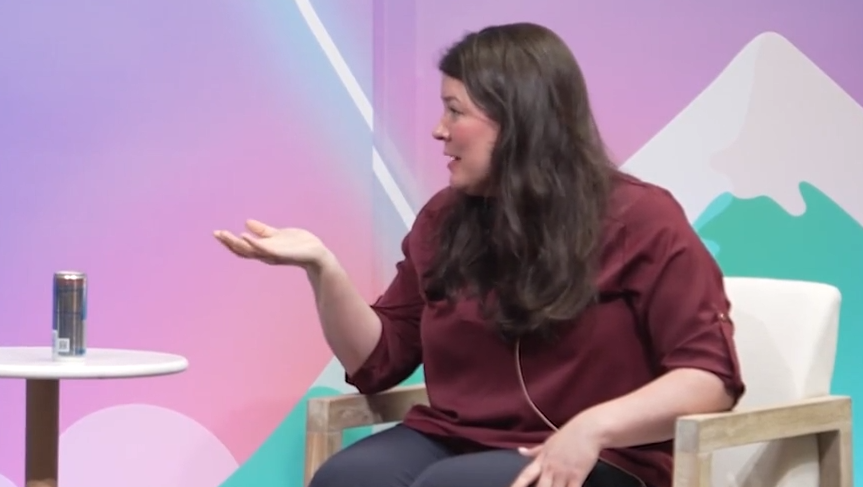
The result was a whole lot of sales + marketer happy vibes along with a live recording of Sercante Founder & CEO Andrea Tarell on the Qualified Pipeline Visionaries podcast.

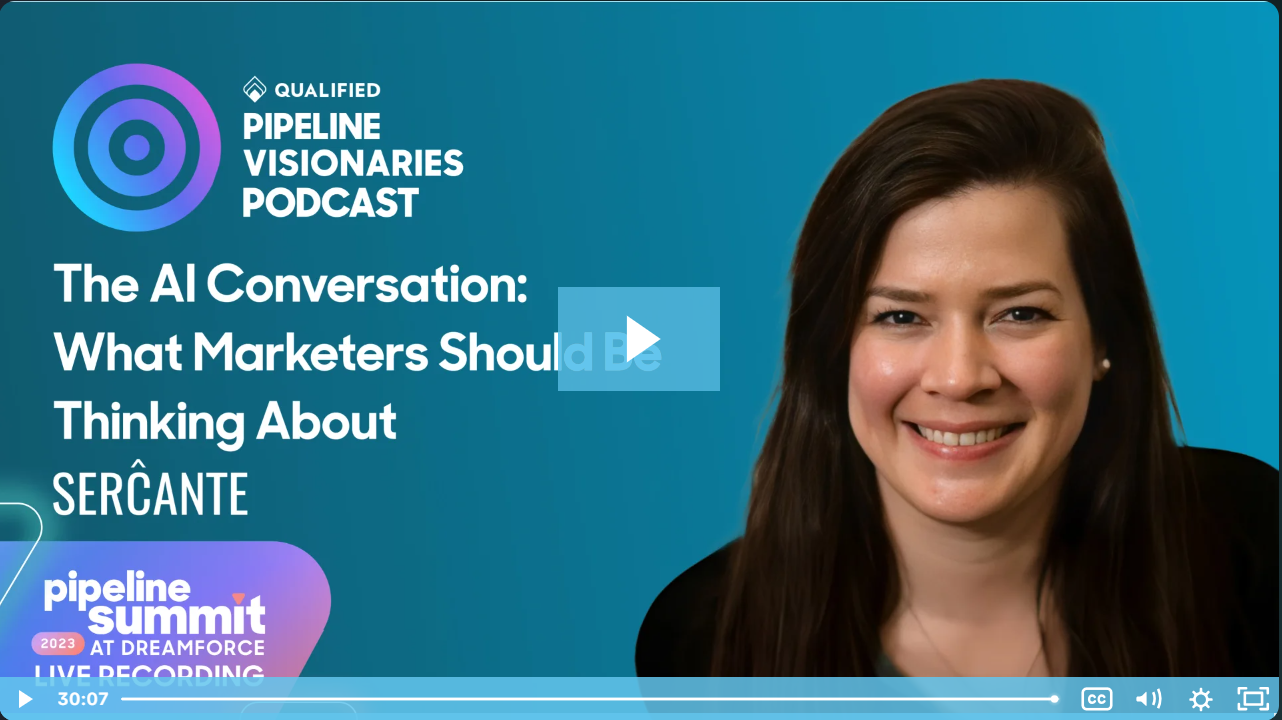
Here’s a quick preview of the podcast recording along with all the info you need to listen for yourself. Or you can click here to watch the full podcast or listen using your favorite streaming service.

Tasty morsels Andrea Tarrell shared with Qualified at Dreamforce 2023

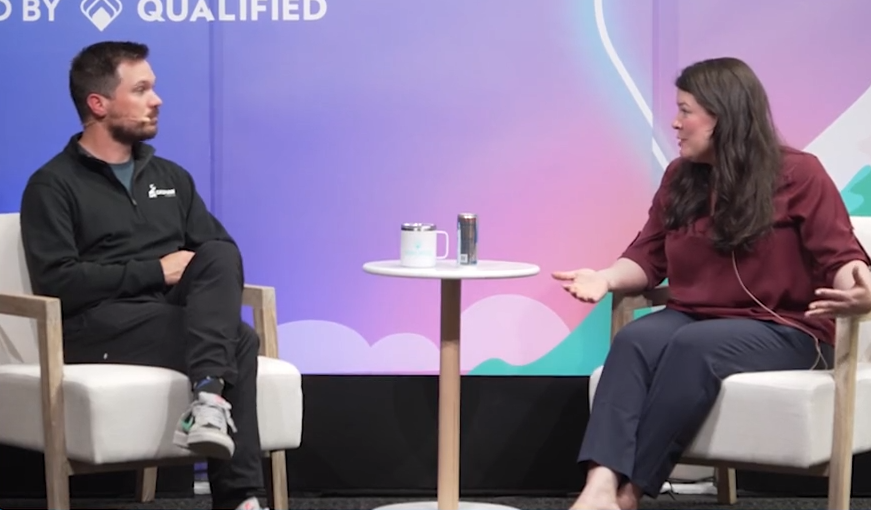
Andrea Tarrell met with Ian Faison at the San Francisco Museum of Modern Art at the Qualified B2B Marketer’s Lounge on September 13, 2023. Here are the big things the pair talked about during the podcast session.


Key trend in automation: Conquering personalization and finding the right use cases for AI

When asked the question “What do you feel is next for marketing automation? What are the trends you see coming?” Andrea said:

I still think personalization is a frontier that we haven’t quite conquered yet. You see some of the use cases on stage at Dreamforce about some of the ways big brands are using personalization, and I look at much of the market who’s still struggling to even do first name, company name, much less more sophisticated use cases than that. 

But I think things like serving up the next best piece of content, the next big action for somebody to take, related products, I think there’s a lot of potential there that continues to be untapped. And I think this is also kinda going back to the AI piece that we were talking about. This is gonna be a big separation of humans in the robots. 

I’ve been on the receiving end of a few emails lately that were very clearly written by AI. Yep. And it’s like they just scraped random facts off the internet to stuff a new email. It’s like, okay, that’s not personalization. Like, I know what press release you grabbed that from, and like that third fact is completely unrelated to my business.

 So, that’s where I think the human element will still be preserved. Maybe we can get AI to make the first draft for us, but we still need people to make the magic happen.”

Maybe we can get AI to make the first draft for us, but we still need people to make the magic happen.

What are the main reasons people reach out to Sercante for guidance?

Ian asked the question “What is the burning desire customers come to Sercante with?

Andrea listed these three things that are usually top of mind for customers when they contact us. Here they are:

  1. Marketing ROI
    “Being able to report on what they’re doing that’s actually contributing to revenue.”
  2. Helping sales teams prioritize
    “Marketing’s working really hard to generate leads, but how does sales know who’s qualified, and who should they call first?”
  1. What’s next? AI, automation, industry trends, using generative AI for things like lead routing, segmentation, and content.
    “What is the non-value part that we can start having the machine do for us so that humans have the role of finessing, spending time on the highest potential items, and really doing what they’d be best at?”

How a marketing-focused Salesforce consulting firm approaches its own marketing strategy

When Ian asked the question “How do you think about your marketing strategy and how you acquire customers?” Andrea listed three marketing strategy areas. They are:

  1. Email marketing
  2. Event marketing
  3. Content marketing

She said, “We’ve created a huge culture around information sharing. One of our core values is generosity. It’s the idea that, if you’re getting something or achieving something, how do you share that with other people and bring other people along for the journey?”

How do you think about speed as a currency?

Andrea said, “Speed is huge. We know that as individual customers are bopping around online, looking for something, attention spans are so short. Like, what if you don’t find what you’re looking for? You don’t get the answer you need? You’re on to the next thing.

So, trying to help people find what they’re looking for is challenge number one. And then challenge number two is if they don’t get the answer, making sure that they get pushed to a human as quickly as possible.”

What is the Qualified Pipeline Summit Podcast?

Every quarter, Qualified brings together the best and brightest in B2B sales, marketing, and operations to share the tactics and strategies helping them drive growth in their business.

Learn more and watch all the episodes here.

Cheekiest social ads ever and we’re here for it

We’re in love with these social graphics the Qualified team posted to promote the Pipeline Summit at Dreamforce. Sharing here cuz they’re friggin amazing.

Watch the Pipeline Visionaries Podcast – The AI Conversation: What Marketers Should Be Thinking About

Lucky for you, these were just a few highlights from the podcast episode. You can watch the full video here and get all the juicy details Andrea and Ian shared during their conversation.

And remember to reach out to Sercante when you’re ready to take your sales and marketing efforts further.

No more posts to show