Category

Industry News

Wondering what to get that marketing automation guru in your life?  Well, unless you can bundle up some inbound leads… here are some gifts that are sure to please:

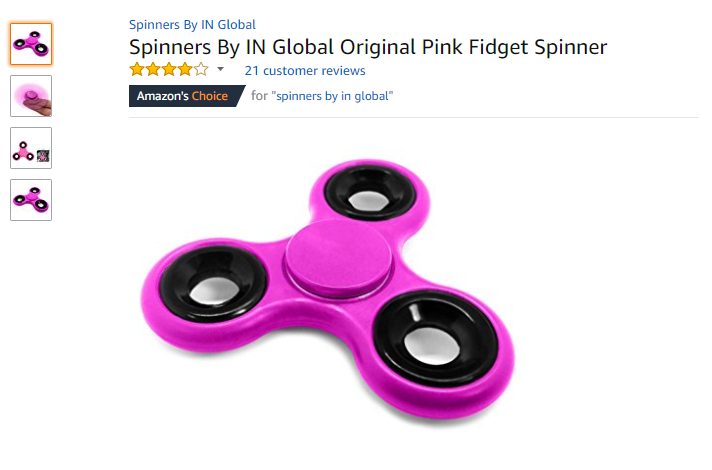
1. A Fidget Spinner

The perfect distraction when you’re staring at the screen waiting for automation rules and dynamic lists to refresh.

Fidget Spinner

Price: $3.99 on Amazon  

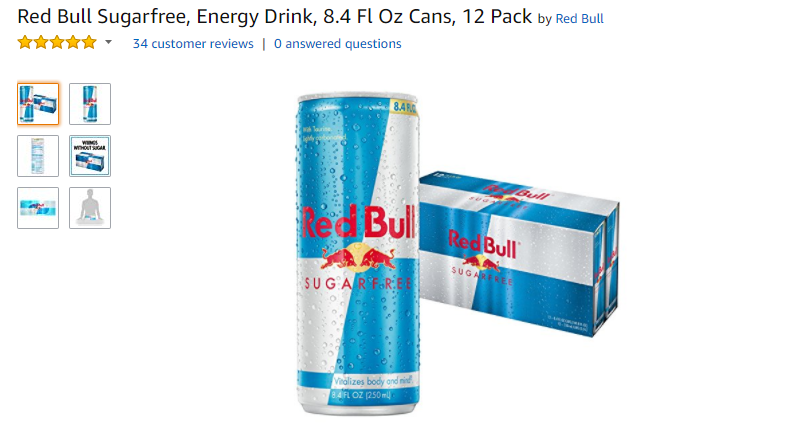
2. A Case of Red Bull

There’s not enough caffeine in the world for this line of work…

Red Bull.PNG

Price: $33.99 on Amazon

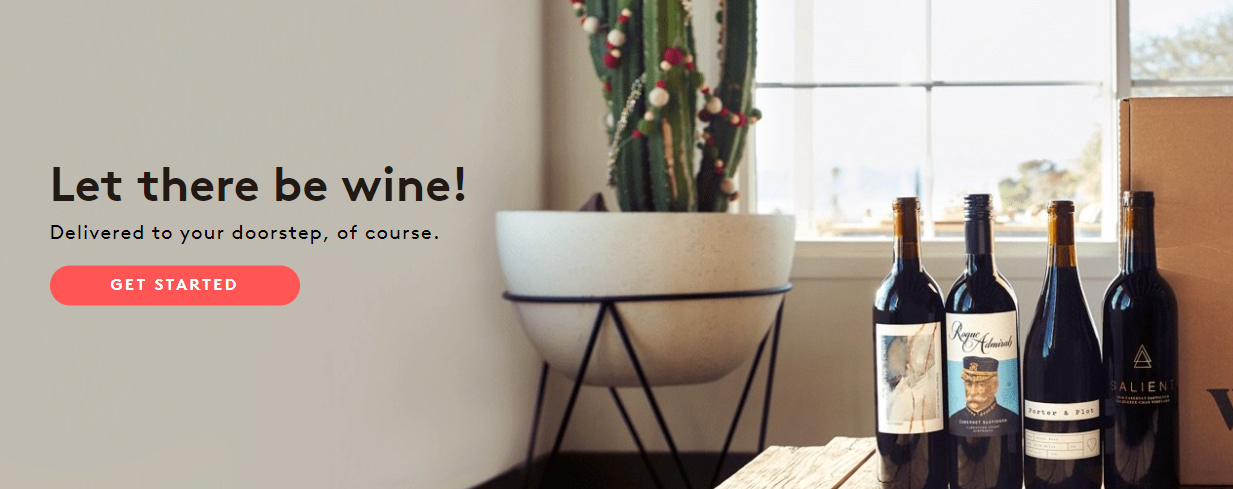
3. Wine of the Month Club

For when the Red Bull just isn’t doing the trick… Winc’s gotcha covered.  Let there be wine INDEED.

Winc.PNG

Price: Starts at $13 per bottle from Winc 

4. A Pearl Necklace

To clutch fervently during those white knuckle ohgodohgodohgod moments when you press “Send Now” on a particularly large list email.

Peals.PNG

Price: $1.200 from Tiffany’s.

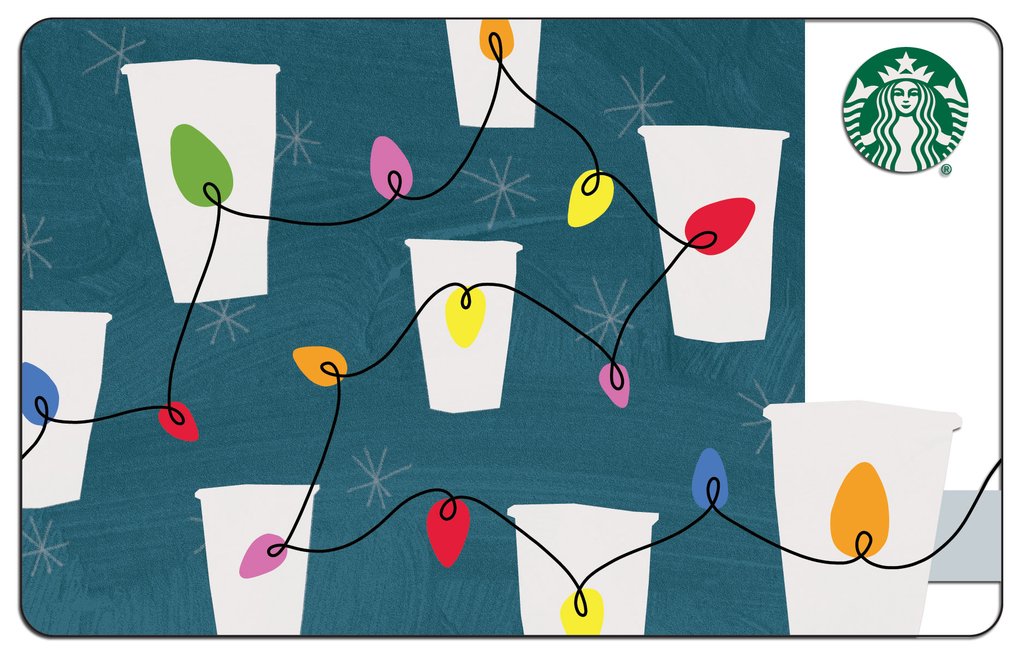
5. Starbucks Gift Card

So they can get their Salesforce Saturday on, obviously.

Starbucks-String-Lights-Gift-Card.jpg

Price: You name it, dude.

6. Udemy Dance Classes

For spontaneous happy dances as they watch their holiday email metrics roll in.  YUP, Udemy dance lessons are a real thing. 

Udemy.PNG

Price: $12 and up on Udemy

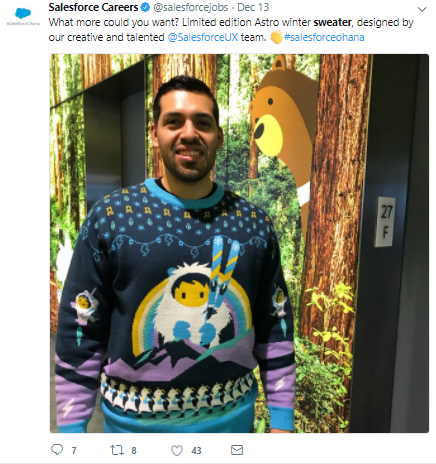
7. THIS Holiday Sweater

I’m not calling this an ugly Christmas sweater because it is a beautiful masterpiece….

Sweater.PNG

Price: PRICELESS. Where can we get these?! 

More holiday cheer from the Ohana

On that note… I’d like to resurface this gem that some #SalesforceOhana put together last year to share their holiday spirit.  I’ve watched it a million times, and it still cracks me up. 

It doesn’t mention Pardot… so challenge accepted for next year. 

Happy Holidays, all ye Pardot lovers!

A few weeks ago, MailChimp announced that the default for its subscriber lists will be single-opt-in.  This is a reversal from its past policy to require double opt-in – and it’s kind of a BFD.  MailChimp users can still choose to use a double opt-in, but they have to go in and set it up. 

Many other platforms (Pardot included) default to single opt-in, so that’s not the strange part.  What makes this move puzzling is that it comes at a time when marketers and legislative bodies around the world are pushing so hard in the opposite direction.

CASL, GDPR and other compliance hoopla are making many marketers – especially those with a global footprint – re-examine their definitions of “permission” and their processes for gathering it.

So why now, MailChimp?  And for those of us marketing on the Pardot platform, what insight can we gather from this?

Wait remind me, what is double opt-in?

Double opt-in requires the user to take a secondary action to confirm their subscription to a list.  So for example, user fills out a sign up form, gets a confirmation email, and then they have to click a CTA that amounts to to “yes, I really do want to subscribe.”

If list quantity is the main goal, the added “friction” of double opt-in does mean you’ll lose some folks along the way.

But it’s great for list quality.  When [email protected] or [email protected] fill out your forms, they’ll get a confirmation email, and for obvious reasons, won’t click to confirm their subscription.  So weeding out these email addresses on the front end is really helpful.

The net effect of double opt-in is higher response rates, better deliverability, and fewer spam complaints – but again, the tradeoff is slower list growth when you lose the people that don’t complete the final step.

How does double opt-in relate to compliance?

To my knowledge, none of the regulations impacting email marketers explicitly require double opt-in.  But what they do require is proof of consent if you land yourself in court – and the audit trail of the user filling out a form, opening an email, and clicking through is pretty solid documentation of affirmative consent

Courts in Germany, for example, have ruled that single opt-in isn’t acceptable proof of consent — because in theory, someone else could submit your email address via a web form.  As a result, double opt-in has become pretty much standard in Germany, with 75% of email marketers leveraging it for added validation.

So why, MailChimp, why?  Some theories.

This trend-bucking, against-the-grain decision is puzzling.  Let’s think through some possible things that may be motivating them to swim upstream:

1) Their users want it

In their communications about this change, MailChimp has implied that user preference was the driving force.

Um, of course their email marketers want single opt-in.  Just like some email marketers (Pardot ones included) want to purchase shady lists to spam everyone and their mom, and just cover their ears when they hear it’s not a best practice.

If anything, user preference is shifting TOWARD double opt-in.  And double opt-in has been Mailchimp’s default for years.  There’s definitely more to the story about this change.

2) It means more revenue

MailChimp’s Pro Marketer package is priced based on number of subscribers.  If its users can grow their lists faster, then MailChimp can charge more.

Hm.  Seems like a conflicting incentive.

3) Their performance data is slipping

Making marketers successful, at the end of the day, is how these platforms will stay in business. In a follow up communication about the change, MailChimp’s VP of Product stated, “the majority of companies have moved to single opt-in,” and posits:

“[R]ecipients have become re-educated on how email marketing confirmation works. Today, most people don’t expect or look for a double opt-in confirmation message when they subscribe to a newsletter. Indeed, we’ve seen double-opt-in rates within MailChimp slip to 39%. This means 61% of people start but do not finish the double opt-in process.”

I’m going to disagree with the assertion that consumers expecting to be spammed constitutes “re-education.”

I also don’t see a lot of companies choosing to move from double opt-in to single. Usually the reverse happens as a company’s marketing program matures and they realize that all of the Disney characters filling out their forms aren’t quite qualified leads.

But if marketers using MailChimp are struggling to hit their metrics, and opt-in rates are a barrier – okay, I can see why this would inspire a change.

Okay, back to Pardot – what’s an admin to do?

One of the biggest myths about marketing automation is that it’s a “set it and forget it” deal.  Nope.  Digital marketing is in a state of constant change, as are consumer expectations – so continually checking that you’re keeping up with best practices is part of the job we signed up for.

MailChimp’s news should inspire Pardot admins to do a few things:

  • Get up to speed of GDPR, CASL, and other relevant laws in countries where you market
  • Consider implementing double-opt-in if you’re going to have to get on the GDPR bus sooner rather than later
  • Consider implementing double-opt-in if your list quality needs a boost

Nebula Consulting has a great Slideshare on how to configure double opt-in in Pardot, so rather than rehasing, here’s a link to check it out.

Any thoughts to add to these speculations?  How have you decided to handle opt-in processes?  Let us know in the comments!

Dreamforce has all kinds of surprises, but there is one thing that is consistent year after year: mascots.  Lots of mascots.

With the debut of Trailhead, the number of mascots in the Salesforce ecosystem has exploded.  So here’s a guide to the furry, squishy things you might see walking around the Expo floor:

1) SaaSy

SaaSy is the ORIGINAL Salesforce mascot.  Born in 2008, back in the days when cloud and SaaS in general were still relatively new, SaaSy was a symbol for liberation from the traditional client server model.

Saasy.PNG

2) Chatty

The introduction of Chatty in 2010 heralded the debut of Chatter and the social enterprise.  Chatty made the perfect companion for SaaSy, truly a match born cloud.

Chatty

3) Astro

ASTRO!  Now we’re getting to the fun stuff.  Here’s what Salesforce has to say about Astro:

“As a true outdoors mascot, Astro can usually be found running around on Trailhead, helping everyone learn Salesforce.”

It’s very unclear to me what animal Astro really is.  A raccoon?  An ewok?  A bear?

What is clear though, is that Astro is adorable.  Fun fact: Astro is also non-binary and goes by they/them.

Astro

4) Einstein

I have mixed feelings about Einstein as a mascot.  He represents all things artificial intelligence, which is great and all that.  He’s adorable in illustration form…but if we’re being honest, he’s sort of terrifying in real life.

Einstein.PNG

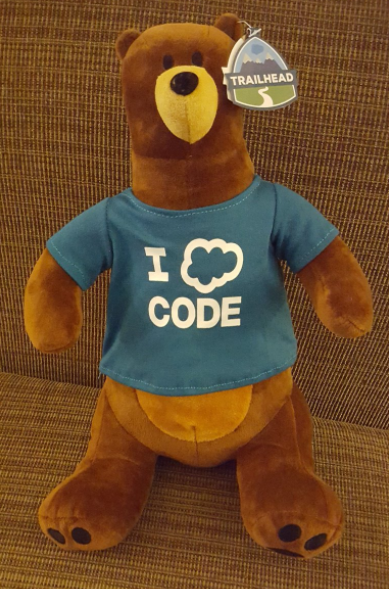
5) Codey Bear

Codey.  Code-y.  Get it?  Codey is the guy for makers and builders, tackling projects and getting his paws dirty.

He likes to chill in the developer forest, if you’re looking for him at Dreamforce.  My dog Murphy has also adopted him as one of her own.

6) Cloudy

Cloudy’s purpose is a little foggy to me (yep, lame pun intended).  Here’s the party line on her deal:

“Tech-savvy and smart, Cloudy builds innovative apps with the cloud. True to her name, she is always at the center of the action. Her confidence and steadfastness are second only to her in-depth knowledge of everything cloud-related. Cloudy brings out the best in everyone and encourages you to tap into your own unlimited potential.”

Um, sure.  Here’s Cloudy, ya’ll:

FX067_Cloudy.jpg

7) Appy

Appy is one of the youngest mascots, and was just born back in March.  She champions apps built on the platform and promoted via the AppExchange.  This girl is all about partnership.

I haven’t seen Appy out and about in “real life” form… so am very curious to see if she makes a debut at Dreamforce.

17586889_1266409730133720_4569203779643113472_n.jpg

8) Blaze

Blaze is a bona fide newborn!  She just debuted back in September.

Blaze is the pack leader of Cloud Services, and here’s what Salesforce has to say about her role:

“Blaze will help you access our adoption services. She’ll show you what you need with Accelerators, proactive engagement, interactive webinars, and events. And if you want a constant companion with you every step of the way, Blaze will be there with advisory services like architects, customer-centric design, innovation, and transformation.”

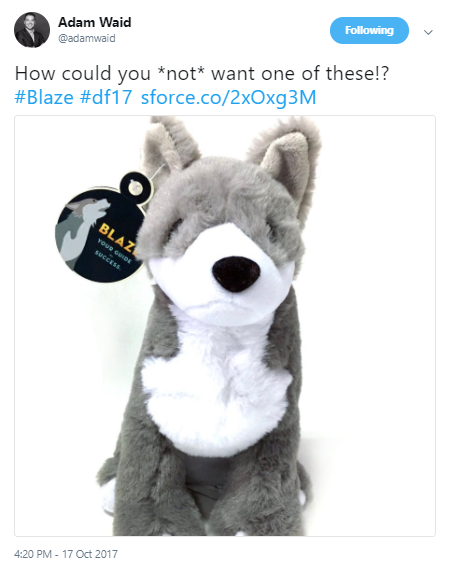
Blaze was last sighted on Adam Waid’s Twitter (@adamwaid), inciting rampant FOMO in everyone who can’t be at Dreamforce this year.

Blaze.PNG

Okay, but what about Pardot?

So… yeah.  This is a Pardot blog, about Salesforce mascots.  If you’re wondering:

“What member of the animal kingdom will come to represent our beloved platform?”

ME TOO.

I have seen no official guidance on this.  So this is rampant speculation.  Safe harbor, in case you base your buying decisions on mascots.

But these are contestants I would suggest:

a. Parrot

A Parrot is only one letter away from being Pardot.  And a parrot has bright and vibrant colors, promoting its brand, doin’ its thing, and soaring high.

b. Parbot

Pardot could very well be represented by a Robot — for all of the marketing and sales tasks we’re able to automate on the platform.

3. Pawdot

A PUPPY!  Like the ones Pardot is bringing to Dreamforce.  By far, the cutest available option I can think of.

What do you think?

What mascot can carry the torch on behalf of B2B Marketing Automation?  Who can represent Pardot in the sea of squishy, adorable things to take a selfie with at Dreamforce?

And did I miss any mascots?  It’s a lot to keep up with.

Let me know in the comments!

I’m on so many email newsletters.  It’s frankly ridiculous.  But somehow, I can never find it in my heart to scroll to the bottom of the message and hit unsubscribe.  Nay, I will spend years multi-selecting gazillions of pointless pieces of spam and archiving them (not even deleting them, what is wrong with me?!).

I’ve been rethinking this strategy (if you can call it that) lately, in the name of decluttering and minimalism, etc.

One positive side effect of reflecting on this: it’s brought to the forefront what email marketing I actually enjoy and would miss if it were gone.  One of my favorites, hands down, is CB Insights.

What I love about CB Insights

To be honest, I have no idea how I even got on their email newsletter.  CB Insights is a:

“Market intelligence platform analyzes millions of data points on venture capital, startups, patents, partnerships and news mentions to help you see tomorrow’s opportunities, today.”

So basically, their newsletter is for people that are interested in the startup world & M&A.  They have a paid service, but their newsletter is free and is sent almost every day from their CEO & founder, Anand Sanwal.

There are many reasons why I love their email marketing, but to boil down to a top 5, it’s because:

1. Their subject lines are witty AF

A few of their recent ones:

  • what to feed millennials
  • map: international unicorn club
  • ugly dog map

I open these emails even on the busiest of days, because I just have to find out what these are referring to.  It rarely disappoints. (And Anand, obviously, you feed millennials avocado toast… #dudeplease.)

2. Their graphics are beyond

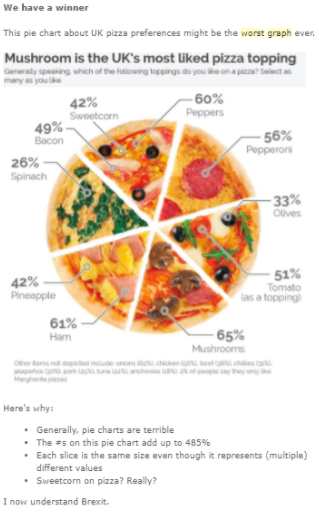
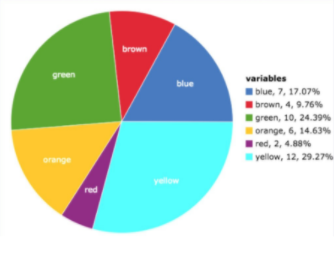
The business of CB Insights is market analytics. But in the course of business as usual, they seem to possess a healthy appreciation for Rule No. 6, often expressed with tongue in cheek “data visualizations” they create or graphs they found elsewhere that you WISH were jokes.

Like this:

1

Or this:

2

Face, meet palm.

3. It sounds like it’s written by someone you’d want to crack open a cold one with

Their copywriting cracks me up. Hilarity on so many levels.

Even though they’re in a serious, competitive B2B space — they have a fun and irreverent tone that I can’t get enough of. In two seconds, they can shift gears from an in-depth analysis of Apple’s product strategy to copy like this:

Is it okay for adults to drink milk in a work meeting? Click to vote.

No, it’s not okay. Ever.

Yes, it’s okay, and I do this

Yes, it’s okay, but I don’t do this

Yes, only if it’s chocolate milk

For the record, the only correct answer to this question is A.

4. They said they love me!

“I love you.”

These three little words are how they wrap up most emails.  

“It was to see if people were reading or paying attention,” Sanwal told Fast Company when asked from where this unsolicited affection flowed.  

It’s definitely worked on me.  (And I love you too, Anand.)

5. It actually generates revenue

CB Insights says that about $1M of annual revenue is attributable to the reach of the email newsletter.  If this isn’t proof positive that a) email works, and b) that B2B doesn’t have to boring, I don’t know what is.   

Who makes YOUR heart throb?

What email marketing are you in love with?  Any business content creators or bloggers you couldn’t live without?  

Share in the comments — I want to check them out!

Not going to call out specific products here, but lately I’ve had a few folks in the Salesforce ecosystem call my attention to new market entrants with an eyeroll-inspiring pitch.

“Have you seen XYZABCD?  It can almost do all of the things Pardot can.”

Not interested in “can almost do.”  Sorry, I’m just not.  The battle between marketing automation has been waged for nearly a decade, and a core four have emerged for a reason: Pardot, Marketo, Eloqua, and Hubspot.

If a new vendor wants to catch my attention, “almost as good as” doesn’t even come close.  

If you’re going to build something new, build us something we don’t already have, dammit. There are plenty of unmet needs and under-served niches where we need your skills and focus.  

Tell us how your product changes some slice of the universe, and then let’s talk.

You know you’re realllllly into Salesforce when you mourn that you “have to” go to Croatia and Austria on vacation and miss Dreamforce.

I’ve already warned my hubby that I will be streaming the keynotes live in the middle of the night European Central Time.  He has accepted this compromise.

In the meantime, I’m watching in envy as event updates are posted to Twitter and the Success Community.  For those of you who ARE planning to attend the annual bash, the Dreamforce Agenda Builder now live.

The Pardot line-up at Dreamforce

There are some gems in this line-up.  If you’re going, I’d highly suggest checking out:

1. Amazon: How We Built the World’s Biggest Pardot Instance

Description:

How do you deploy governance in a Marketing Automation platform at a global Enterprise scale? Join Elliot Pearl-Sacks, Amazon Product Manager, as he talks through how Amazon Seller Services navigated complex business requirements, multiple business units, and detailed reporting needs while deploying Pardot in under three months.

Why I Dig It:

As your business grows, so does the complexity involved in your Pardot configuration.  My main client at the moment is a Fortune 500 company with 30+ brands – so I’m navigating a similar challenge and am excited to hear how Amazon has tackled it.

Check it out→

2. Dream Team: Uniting Sales and Marketing with Salesforce and Pardot

Description:

Close the collaboration gap between sales and marketing, improve customer experience, and unify branding. Mizuho OSI united their sales and marketing teams with Pardot and Salesforce, optimizing trust and collaboration. Join us to learn how to drive higher qualified leads, improve the sales funnel, and deliver a streamlined and quicker customer journey from start to finish.

Why I Dig It:

Sales and marketing alignment is the elusive promise land most companies are still chasing.  I love hearing real world, “in the trenches” perspectives on how teams have tried to solve this.

Check it out→

3. Managing Pardot as a Team of One

Description:

When you’re a team of one, it can feel like the fate of the universe rests on your shoulders. Enter Pardot, the marketer’s secret weapon for deploying campaigns at scale. Join us for tips and tricks that help you harness the power of Pardot and become a marketing superhero.

Why I Dig It:

The struggle is real for the lone admin – “marketing superhero” is a very accurate term to describe these folks!  Teams of all sizes could probably benefit from this session, though.  We all need ideas on how to do more with less, amirite?

Check it out→

4. Hands-on Training: Optimize Your Pardot and Salesforce Integration

Description:

Pardot’s Salesforce connector allows you to manage all of your disparate sales and marketing data within the Pardot instance. This connector ensures data passes between Pardot and Salesforce CRM so that marketing and sales data can be in sync, and allows you to create automations which make your life easier. During this hands-on, expert-led session, you’ll learn how to optimize this integration through CRM visible lists, user assignments, and custom object mapping. This session is ideal for those with a basic understanding of the relationship between Salesforce and Pardot.

Why I Dig It:

Book this one now!!!  The Hands-on Training sessions (aka HOTs) are the BEST and they fill up super fast.  Seriously, stop reading and go book this now.

Check it out→

5. Pardot + Salesforce = <3

Description:

Join us to get an inside view of how Pardot is fully integrating with Salesforce as Adam and Chrisitina give an in-depth overview of the latest Pardot has to offer. Featuring everything offered as part of the Edge pilot, which includes: a whole new way to navigate Pardot right from within Sales Cloud, a tightly integrated Campaigns experience like never before, Engagement History on all connected Campaigns, access to Engagement Programs like you’ve never seen, and an Email experience built on top of the Salesforce platform that will blow your mind.

Why I Dig It:

If you’ve read my blog before, you know I’m salivating over the Edge pilot.  This sounds like it will be show and tell on steroids…

Check it out→

6. Managing Multiple Business Units in Pardot

Description:

Does your company have separate business units with distinct marketing paths and sales cycles? Join us for a session that covers how to tackle this scenario in Pardot! We’ll cover tips, tricks, and strategies for effective organization, segmentation, and automation by business unit.

Why I Dig It:

Scaling Pardot for the enterprise is not for the faint of heart. Governance, general organization, and security are critically important in this type of scenario – and I’d love to see more on how other companies are navigating this.

Check it out→

7. Outward Bound: Outbound Selling with Pardot and Salesforce

Description:

When initiating a successful outbound sales strategy, the man hours required can be overwhelming and the process unreliable – particularly when left up to the whims of each individual sales rep. Facing this obstacle, Covideo implemented an automated outbound sales strategy that allowed them to take back control of their pipeline and drive sales like never before. Join us as Covideo’s President and Co-founder, Jason Price, details how you can do the same by using their proven method.

Why I Dig It:

Pardot pairs oh-so-well with an inbound marketing strategy, but outbound sales is still the lionshare driver of revenue for most businesses.  I think we’re going to see marketing increasingly taking ownership of the top of the sales funnel – so this session may cover something that will be part of all our job descriptions sooner rather than later.

Check it out→

What Are You Most Excited About?

Fortunately, the session recordings do get posted to YouTube every year.  Post-Dreamforce I’m going to buy some extra buttery popcorn, a Diet Coke, and settle in with my larger-than-life-sized Astro doll to catch up on what I missed…

Are you headed to San Fran to soak up all things Salesforce, or watching from home too?  What types of product announcements are you hoping for?  Any sessions or networking opportunities at the top of your to do list?

Sound off in the comments!

No more posts to show