Category

Career Development

You’ve conquered the Pardot Specialist exam* (Yipee!) and you’ve caught the Pardot bug. Next on your hit list is the Pardot Consultant exam, but what does it take to pass the Pardot Consultant exam?

First and foremost, not everyone needs to take the Pardot Consultant exam. The exam is aimed at those who are implementing Pardot or solutioning with clients. 

In this post, I share the steps I took to pass the Pardot Consultant Certification exam — from study resources and practice exams to preparing for your exam and what you can do on the day of the exam

Note: Yes, we know Pardot is now called Marketing Cloud Account Engagement. However, as of the time of this blog publication, Salesforce is still calling the exam the Pardot Consultant Certification. We’ll update this blog post if/when Salesforce updates the certification name.

*Passing the Pardot Specialist exam is a requisite of taking the consultants exam.

Preparing for your Pardot Consultant Exam

Before you start studying for your Pardot Consultant exam, have you booked it? 

No? Go and book it now (we’ll wait here). There is no better driver to studying than having a set date to work toward. 

Download the Exam Guide

Let’s start with the basics, download the Exam Guide! 

It can be tempting to jump straight into the practice exams and study material but if you don’t know what areas you need to study for you may end up spending time on topics that feature very little in the exam. 

How do YOU study?

This won’t be the first Salesforce exam you’ve taken so use what you learnt from the specialist exam, by this I mean how do YOU study best? Are you a practice test taker, a reader, a watcher or a discussion leader. 

Spoiler Alert! The length of  the questions in the consultant exam are MUCH longer than in the specialist exam, there is a lot more detail to consider, so bear this in mind when choosing your study resources. You’ll need to not only talk the talk when it comes to Pardot but you will also need to master the art of understanding Salesforce exam questions. 

I’m a firm believer that the time in which you take the exam and how you take it (online vs onsite) makes a difference. Every Salesforce exam I have taken has always been at 11 a.m. and online (and 2 out of three have been strangely on a Tuesday, call me superstitious!). 

The 11 a.m. exam slot gives me time to fully wake up, exercise and get my brain in gear. It also means I don’t sit and worry about the exam all day. Taking the exam online means I don’t have to worry about traffic or finding a parking spot. 

If you prefer to take the exam in person then great. Do what works best for YOU!

Understand your strengths and weaknesses

We can’t be experts on all topics. But what we can do is break the exam down (using the guide) and find the areas that hold the most weight. These are going to give you the biggest percentage of marks, so focus on these. 

Don’t sweat over the small stuff! There is little value in worrying and trying to learn everything about all topics if they only count for a small percentage of the exam (Salesforce Engage). 

The number of questions you will get on them is very small. So get a good understanding of the topics with the larger percentage. More on that coming up!

Pardot Consultant Certification Study Resources

It’s probably the main reason you found yourself here on this post — what study resources should I be using for the Pardot consultant exam!? 

There are so many resources out there when it comes to mastering the Pardot ropes and you clearly have a solid foundation as you have gained your specialist exam. However, the consultant exam pushes your understanding of the tool outside of the basics. 

You’re required to advise and provide detailed solutions. So when it comes to study resources, the best thing out there is hands-on experience. Try and get as much experience working in Pardot as possible. If you’re after some resources to supplement your hands-on experience, then read on. 

Video Content

If video is your thing, check out this Pardot Consultant Bootcamp video series. 

This is a great way for those who are newer to Pardot and consulting. It does take time to get through all the content. So, set aside 45 minutes – 1 hour a day to watch all the videos before your exam. If you don’t have time to watch all the videos, watch those covering the areas you lack knowledge in.

Flashcards and Quizzes

If you’re more of a quizer, Quizlt has a whole host of flashcards to test your knowledge. Consider buddying up and test each other, there’s nothing better than a healthy bit of competition .

 The flashcards will also help you get familiar with the wording used on the consultant exam. 

Jenna Molby also provides flashcards, quizzes and study games found here. You’ll also want to bookmark her website as she has lots of additional resources related to Pardot features!

Practice Exams

When I took the Pardot Consultant Exam, I found it hard to find quality practice exams. However, these Pardot Consultant practice exams have been tried and tested by the Sercante team, so if you learn better by putting your knowledge to the test, these may just work for you. 

With all practice exams, bear in mind that some may be a little outdated. 

  • TestPrep.com – For a small fee (about 10 USD) you’ll get access to 6 full-length practice exams and a set of practice questions. 
  • Udemy – Again for a fee (anywhere between 10 – 30 USD) Udemy provided access to full-length  practice exams. These exams mimc the exam pretty closely. 

Reading Material

There are a ton of resources available to read through but let’s focus on the areas that have the biggest weight. 

Automating Business Processes: 17%

You’ll need to know your automation tools inside out.

Given a scenario, recommend the best automation tool(s) (automation rule, segmentation rule, dynamic list, completion action).

Given a scenario, design a sequence of events in Pardot to complete a marketing initiative (assets, automations, notifications, etc.).

Given a scenario, develop and implement a lead nurturing strategy

Account Configuration: 20%

This is the difference between the specialist exam and the consultant exam, you’ll need to know Pardot implementation and setup.

Articulate the implications and importance of technical setup.

Develop a plan to maintain data integrity during data migration.

Given a usage governance plan, develop and recommend a strategy that addresses organization and authorization (or access).

Evaluation: 17%

This is a pretty vague area, but one not to be ignored. Carrying an impressive 17% of the exam you’ll need to master this topic. 

The exam guide notes that you should have at least 12 months hands-on experience of implementing and administering Pardot. This is because of sections like this one. It’s going to be pretty hard to study for this section without hands-on experience — memorizing answers for this section won’t be enough. 

For this reason, I’d recommend reading through this post for tips on how to approach this section of the exam. But don’t go anywhere just yet!

Spoiler Alert! Think like Salesforce… There may be multiple ways to achieve the end goal but what would Salesforce advise. Brush up on Salesforce Pardot best practices. 

Day of the exam

The day has arrived, you have studied and practiced all you can… it’s exam day! I’d consider the next set of tips as important as studying. 

Even though you have been through the process of a Salesforce exam before you shouldn’t neglect prepping your mind and environment before this one. After all, who wants to be let down by a bad internet connection just as you log in to take the exam. Believe it or not, this happened to me twice during this exam. Either way, you have to keep your cool and focus.

  1. Get a good night’s sleep. Studies show that the key to transitioning what we learn from short-term memory to longer-term memory (so you can recall it on a test!) is getting enough sleep. 
  2. Eat brain food. Blueberries, eggs, and whole grains are known to improve brain performance. Make a healthy meal the day of your exam to keep you full and energized during the exam. 
  3. Relax! Perform breathing exercises, meditation and reserve 30 minutes before your exam to relax. 
  4. Exercise. Endorphins can improve brain function. Take 15-30 minutes to take a walk, do yoga or stretch the day of your exam. 
  5. Last-minute studying. Is there a topic you’re still unsure about? Use the day of your exam to review those areas. 
  6. (Online exams) Check your technology and remove any distractions. By taking the exam remotely, you are in a less controlled environment. Prep your space with good lighting, remove watches, phones and pets and children from the room, as well as keep the door shut to avoid any unwanted interruptions. 


You do have an online proctor, so pay attention to messages that come through and if something does happen, you can work with support to reschedule your exam.  Finally, run a speed test and check your webcam is working.

How to succeed during the exam

  • Read the question and each answer a few times (at least 3) to make sure you know what it’s asking. You may know what the question is asking but reading it a few times through may indicate what you need to answer. 
  • Reversely, reading the answers before the question can sometimes be useful. Particularly with the Consultant exam, the answers are recommendations based on the question. Try this time with a few practice questions to get the hang of it. 
  • Eliminate the obvious wrong answers. Are there any answers that you know are just wrong? This narrows your answer options significantly when you remove the clearly incorrect answer. When you have your remaining options, think about what answer satisfies the whole question. 
  • Decipher the right answer for the question. This is particularly true for the Consultant Exam as there are multiple “right” answers based on the client’s need. Remember that since this is a Salesforce exam, try to select the answer that you believe Salesforce would recommend. 
  • Trust your gut instinct. Even if you aren’t 100% sure, your first instinct is probably correct. 
  • Be mindful of the time. This is a timed exam, so you’ll want to make sure you finish the entire exam before the time runs out. The best approach is to answer every question once through, and “mark for review” those questions you aren’t confident on. Save 30 minutes at the end of the exam to review those questions and think thoroughly on your answers. 

Come prepared and leave happy

The Pardot Specialist certification exam may have been a walk in the park for you, but the Pardot Consultant certification exam is on a whole new level. While it is possible to pass the exam without hands-on experience, there really is no substitute for getting in there and working inside the platform so you can fully understand it.
Need structured Salesforce training to get you where you need to be? Check out our current roster of training courses. And tell us all about your best study secrets in the comments section below.


Your Marketing Automation Platform (MAP) doesn’t exist in a vacuum. And neither do we.

The Spot for Pardot is following a natural evolution we’re seeing in the marketing technology industry. As demand for integrations with MAPs increase and Marketing Operations Professionals (MOPs) are finally finding voices among the big players, we’ve shifted our focus to the MarTech stack as a whole.

We’re still The Spot for Pardot. But now we’re so much more.

Moving forward, you’ll find community resources for ALL marketers who use the Salesforce platform. The ones who use Pardot. Or Marketing Cloud. Or both. Or some other MAP they’re integrating with Sales Cloud.

We’ll share what we know about using marketing technology and the Salesforce platform together.

A new focus for “The Spot” (and a new name)

It started as a personal blog sharing quick tips and solutions from one Pardot user. Then others joined to share their knowledge. And more readers followed. Now it’s a community hub for marketers on Salesforce who work together to reach their goals. 

Here’s a message from the original The Spot blogger, Andrea Tarrell, to share how we got here.

A message from Andrea, OG blogger at The Spot

I am thrilled to announce a fully revamped, reimagined, relaunch of “The Spot.”  Shout out to the amazing marketing team at Sercante — especially Sarah, Ambre, and Christina — for bringing this to life.

The new site looks infinitely better than the old WordPress site I hacked together in 2017. 

But it’s much more than a face lift.  The content, authors, categorization, and overall focus are evolving to better serve you, dear reader — and I couldn’t be more excited about it.  

Where The Spot got its start

I started The Spot for Pardot in August of 2017.

It was a side project.

Actually, if I’m being honest — it was a bit of a stall tactic.

I was thinking about starting a business, but I was scared.  So, I started the blog instead.

As a marketer, I wrote hundreds of blog posts for various clients and employers, on everything from insurance best practices, to architecture, to industrial printing, to trucking firms, and more.

But I had never had a place to write about things that mattered to me.

I created The Spot as a place to express myself and share learnings, hot takes, and the occasional war story.  I half expected no one to read it.

But it picked up steam shockingly quickly.  Turns out that a lot of other marketers had been grappling with the exact same problems that kept me up at night.  And before I knew it, the blog became a magnet for my PEOPLE — the kinds of marketers that I want to work with, both as team members, clients, and community members.

The authors on The Spot: More insights from the best minds in MarTech

For the first two years of The Spot, it was just me penning posts.

But today, it is supported by authors from the Sercante team, and across the entire martech community.  (Shout out to Brittany Rhyme for being our first ever “guest post” back in 2018 and opening the flood gates!)

Do you have a perspective you’d like to share?  We welcome guest posts and paid, long-term contributor gigs.

The Name: Welcome to “The Spot”

To reflect our new focus, we’re dropping the word “Pardot” from our blog name.  Instead, you can just call us “The Spot.”  (And actually, most people called us that anyway.)

We’re keeping thespotforpardot.com as the URL right now for SEO juice, and will be phasing that out over the next 12 months.

What’s not changing: Our relentless zeal for learning & sharing

To recap — in addition to a new look for The Spot, you’ll now see:

You’ll also continue to see our team share content and resources through:

When I started The Spot back in 2017, I had no idea what it would grow into.  Thank you for being here, for sharing this content with your friends and colleagues, and for constantly challenging my team and I to bring our best to this community.  

Cheers to the next chapter!

Content on The Spot: Hello Marketing Cloud, martech & more

The Spot started out as content about Pardot with the goal of sharing insights to help marketers be successful on the Salesforce platform.

To meet that goal, we’ve branched out beyond Pardot. We’re covering topics and platforms like:

Expect to see a wave of new content covering all kinds of martech — especially other parts of Salesforce Marketing Cloud that we see growing in relevancy for savvy digital marketers. 

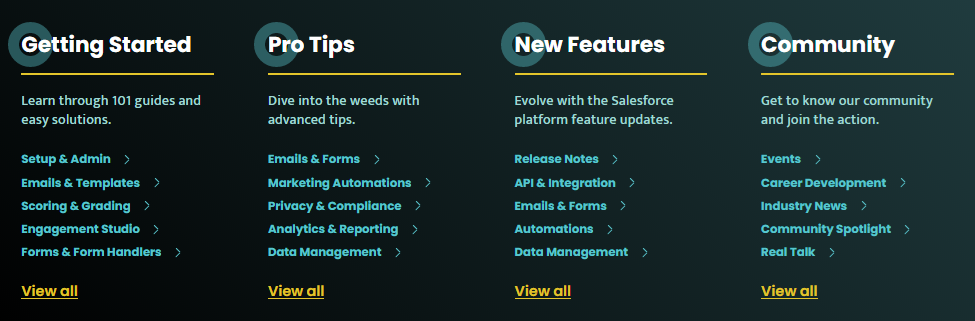
We’ve also added a categorization system to our posts. Now, it’s easier to browse and find what you’re looking for:

Why marketers on Salesforce need third-party resources

Yes, we realize Salesforce has Trailhead. And product-specific blog posts. And webinars. And all kinds of other resources. But you’re only getting information from the Salesforce perspective. 

You’re a real marketer with real-life challenges. And you know your tech stack includes more than just Salesforce products.

The Spot has resources to find solutions and better utilize all of your technology tools — all from the perspective of a marketer who uses the Salesforce platform.

On a mission to mobilize marketers

Our mission is simple — to provide an online home for marketers on Salesforce to learn and collaborate. It’s a central location to find Pardot resources across all levels — from getting started guides to launch an org to expert tips for advanced integrations that extend marketing technology stacks.

We want marketers to realize “what could be” and feel empowered to take their marketing campaigns and lead generation efforts to the next level. 

Get involved and claim your spot

Contributors from around the world represent all kinds of digital marketing specialties on The Spot. It’s filled with easy-to-digest (and sometimes cheeky) content for marketing professionals who use Salesforce and want to automate all the things.

Join us by getting involved and connecting with the community.

3 ways you can get involved with The Spot

  1. Become a contributor.
  2. Post an open job listing.
  3. Join the conversation in our Slack community group.

And remember to become a subscriber! The Spot newsletter delivers a healthy dose of martech to your inbox — and nothing more.

Earning the Salesforce Marketing Cloud Email Specialist Certification is the first step to becoming a full-fledged Marketing Cloud consultant. But, it doesn’t come easy. 

Salesforce Marketing Cloud has robust capabilities. And there are lots of nuances and specific features to understand before you can pass the test. So a word of caution, this isn’t something you can cram for the night before if you don’t have experience working inside the platform.  

Getting hands-on Salesforce Marketing Cloud experience

As someone who has worked within Pardot their entire marketing automation career, I was in a unique position when I decided to start studying for this exam.  Fortunately, Salesforce Trailhead had just started using their Trailhead Simulator tool on Marketing Cloud modules.  

Even though I couldn’t do anything in the simulator like I could with a regular Trailhead playground, it was still beneficial to get an actual look into Marketing Cloud when I didn’t have access otherwise. Between the Trailhead Simulator and many YouTube Marketing Cloud product demo videos, I was able to have a decent understanding of the Marketing Cloud environment and how to build and send an email through Email Studio.

For Pardot peeps dipping their toes in Marketing Cloud

For anyone else coming from Pardot when studying for this exam, I recommend also comparing concepts between the products.  

It was helpful to connect Marketing Cloud terminology to the Pardot terms I used on a daily basis in order to understand Marketing Cloud better without having the full-hands on experience that is necessary for this exam.

As mentioned throughout this article, you should make sure you have a great understanding of Marketing Cloud and Email Studio by trying to get as much hands-on experience as possible, even if you don’t have access to an actual Marketing Cloud environment.

The following guide includes all the things you should study as you’re preparing for the Marketing Cloud Email Specialist Certification exam from my Pardot-centric perspective.

As always, hands-on practice is going to equip you with the experience and knowledge you need to pass the test. Combine that with real-world application you can get by networking with people who use it regularly, and you’ve got yourself the golden ticket to passing. 

Marketing Cloud Email Specialist certification exam topics and weighting

Here’s what the Marketing Cloud Email Specialist exam grading breakdown looks like.

  1. Subscriber & Data Management: 28%
  2. Marketing Automation: 19%
  3. Content Creation & Delivery: 18%
  4. Email Marketing Best Practices: 15%
  5. Email Message Design: 13%
  6. Tracking & Reporting: 7%

Subscriber & Data Management

Key Concepts and Terminology

  • Lists
  • Data Extensions
  • Subscriber Key: a unique identifier for a subscriber
    • If email address, each email address can only exist once
    • If populated by another unique identifier (customer number, CRM ID, etc.), each subscriber key can only exist once and email address can be used multiple times ***best practice
  • Primary Key: Uniquely identifies row of data in Data Extension
    • Not required
    • Enables marketers to add/update data when importing to DE
    • When a field is marked as a Primary Key, that field becomes required
    • If no Primary Key, the only way to import data is to Overwrite all data in the DE
  • Send Relationship: Can be understood as the answer to “In this Data Extension, which field defines the person that is being sent to?”.
    • The “person” relates to the Subscriber Key, so this is typically chosen for the send relationship
  • Sharing and Visibility
  • Profile and Subscription Center
    • Profile Center:  Web page where subscribers enter and maintain the personal information that you keep about them. When you import a list in Email Studio, you can import attribute values for your subscribers. Subscribers can see this information in the Profile Center and update and add to it.
    • Subscription Center: Same concept as an email preference center
  • Import Wizard: Used to manually import information from files into Data Extensions or Lists
  • Import Activity: A step available in Automation Studio that allows you to automate file imports to update Data Extensions or Lists. The files typically come from the Import folder in an FTP account
  • Data Filter: A group of criteria that segments a subscriber list or data extension. Used to apply complex segmentation rules to your subscriber lists or data extensions
    • Data Filters can be used in Filter Activities in Automation Studio
  • Filter Activity: Apply the logic of a data filter you select to create a group or data extension in Automation Studio
  • SQL Query Activity: A step available in Automation Studio that retrieves data extension or data view information matching your criteria by using SQL statements, then includes that information in a data extension

Lists

  • All subscribers belong to the All Subscriber list
    • Contains email address, subscriber key, status and any attributes created
  • You can create as many lists as needed
    • You can create groups within each list to further segment the lists
  • Public lists show in the Subscription Center
  • Subscribers can be added to lists manually or through a file import
  • List attributes = name, address, etc. 
    • Cannot exist without a subscriber

Data Extensions

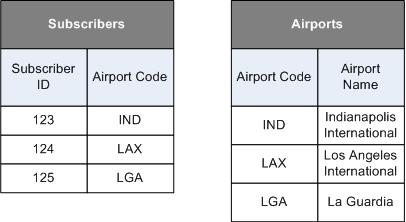
  • Data extensions are tables that contain data
  • Subscribers can be added to data extensions or updated through the SOAP API
  • Data kept in a data extension relates to a subscriber but does not fit in the subscriber profile and preference attributes for one of these reasons: 
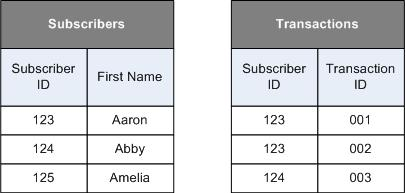
    • Subscribers have one-to-one info whereas data extensions can have one-to-many

  • Info is related to subscribers through a 3rd piece of information in the data extension

  • Data relationships relate your data extensions to each other and subscribers
    • These are necessary for information to be used in emails
  • External key = a unique value that identifies data relationships

Lists vs. Data Extensions

  • Data Import: Data is scrubbed at import for lists and scrubbed at send time for data extensions
  • Structure: Every data extension has their own structure and can contain different fields, while each list has the same attributes
  • Both can use Import Activities
  • Both accept text, date and numeric data types
  • Use the list model when: 
    • Lists have 500,000 subscribers or less
    • Prefer simplicity over performance
    • Don’t need to import quickly
    • Limited number of subscriber attributes
  • Use the data extension model when: 
    • Lists have 500,000+ subscribers
    • Want to support multiple subscriber data sets
    • Send global messages
    • Want fast import speeds
    • Sending triggered messages
    • Use SOAP or REST API
    • Want a flexible subscription model
    • Don’t need to add subscribers manually

Unsubscribes

  • Global unsubscribe
    • Managed by Salesforce Marketing Cloud
    • Subscriber has requested not to receive any type of communication from any account, regardless of sender
    • Most email addresses on list are spam traps or spam complaints

Marketing Automation

Automation Studio

  • Used to execute multi-step marketing and data management activities on an immediate, triggered, or scheduled basis
  • Makes email sends, SQL queries, file imports and more happen automatically
  • Overview page: 
    • Shows each automation’s status
    • Shows error information in line with the corresponding automation 
    • Allows you to run automations on an individual basis if necessary
  • Configure and manage automation activities on the Activities page

Journey Builder 

  • A campaign planning tool that enables you to design and automate marketing campaigns
  • Similar to Engagement Studio Programs but with more features like sending SMS messages and targeting with paid ads

Behavioral Triggers 

  • Let you add customers who abandoned items/services to data extensions
    • Uses Amazon Web Services (AWS)
    • Stores data for 30 days

Triggered Sends

  • Sends an email in response to a subscriber’s action.

Content Creation & Delivery

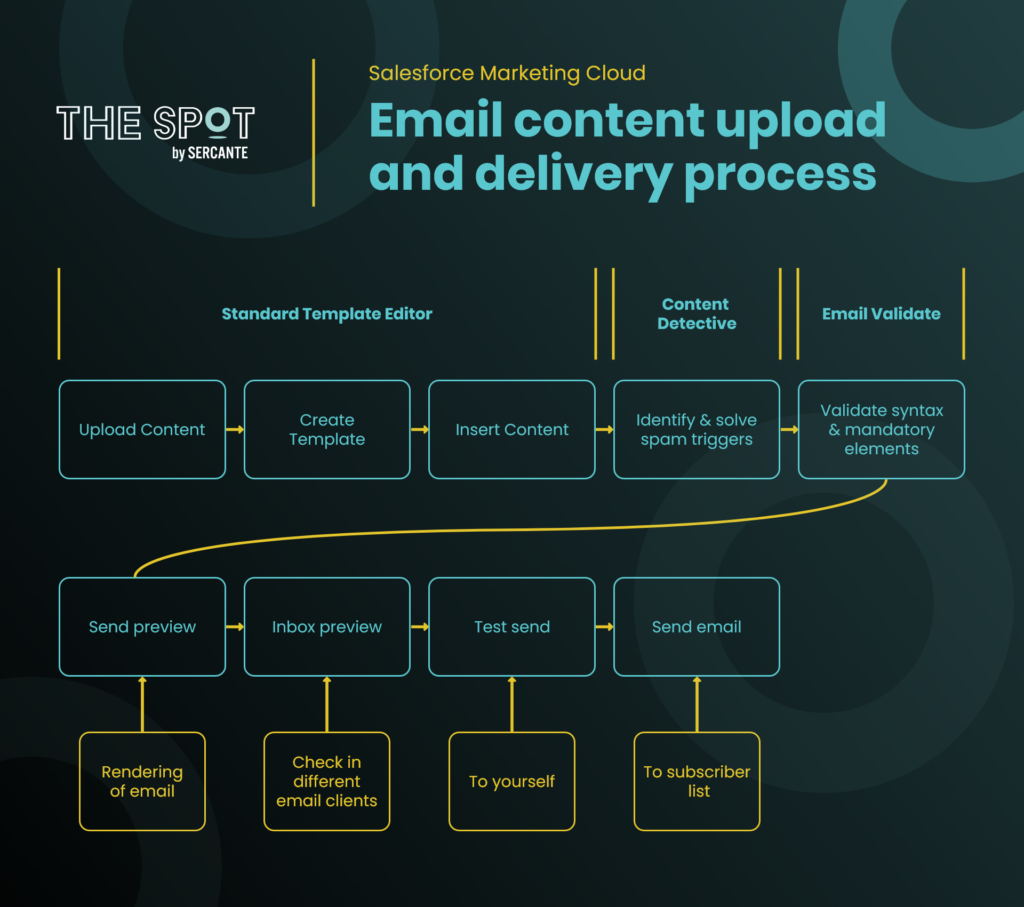
  • Emails are created in Content Builder
  • There are four creation methods: 
    • Template – Choose a template you have created
    • HTML – Paste your custom HTML code
    • Text Only -Create from text only or a code snippet.
    • Existing Email – Use one of your Classic or Content Builder saved emails
  • Personalization Strings let you insert subscriber attributes into emails
    • Can appear in the subject line, preheader, or in the content
    • Also called merge fields or substitution strings
    • Can insert system data personalization strings using AMPscript
  • AMPscript is the proprietary SFMC scripting language
    • Used for personalization, formatting values, relational data, inserting/updating data
    • Case sensitive
    • Must be in a block with open and close delimiters
  • Send Flow guides you through the necessary steps to send your email
    • Step by step process of selecting an audience, send time, etc.
  • Subscriber Preview is a rendering of an email as it will be viewed by a recipient. Can see previews for any subscriber.
  • Test Send allows you to send an email from the Subscriber Preview to your own inbox to view how the email appears in your email client.
    • If you unsubscribe from a test email that you send or access the subscriber’s profile center and make changes, those changes permanently apply to that subscriber
    • If the subscriber you select for the preview has a status of unsubscribed, bounced or held, the generated preview does not deliver any test send

Email Message Design

  • A/B Testing tool sends two versions of your email to two test audiences from your subscriber list. It tracks which version receives the highest unique open rate or highest click-through rate over a specified time period and sends that version to all remaining subscribers.
    • Can test: 
      • Subject line
      • Preheader
      • Different emails
      • Content
      • From name
      • Send time
  • Content Detective is a tool in Email Studio that helps you identify spam triggers in your email content
    • Mirrors the logic used by spam-filtering software to identify words, phrases, and patterns that are likely to trigger filters and recommends a resolution to each identified problem
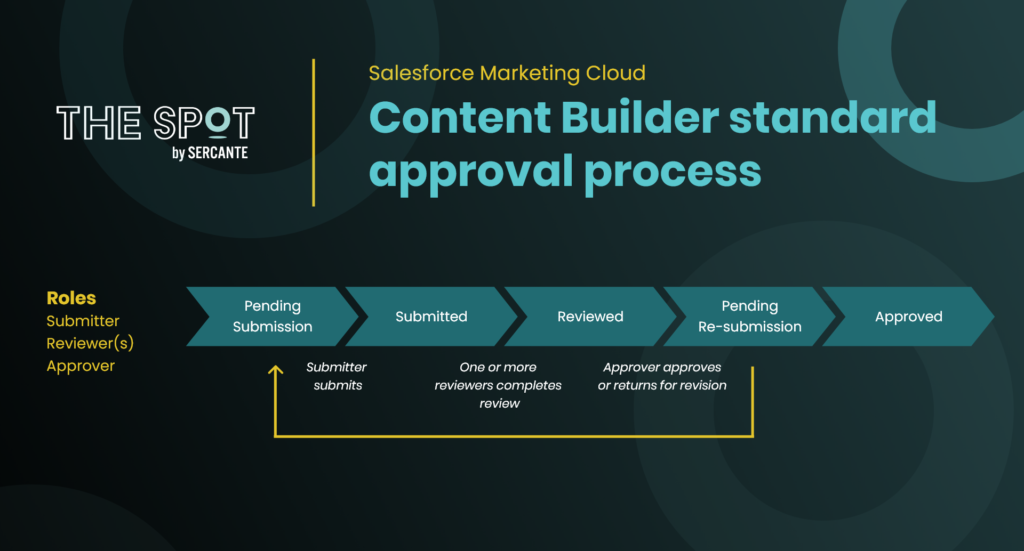
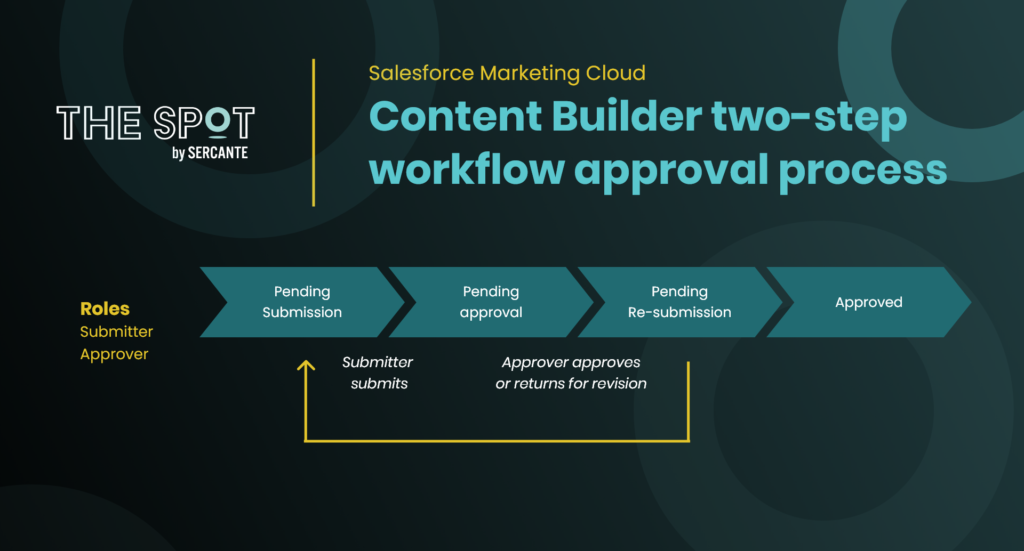
  • Approvals in Content Builder lets you create a process to review and approve content
    • Submit an email into a process which requires an approver to approve it before it can be sent to an audience
    • Can be launched from Email Creation Flow, the Content Builder grid, or the Approvals dashboard
    • Can use a standard or two-step workflow:
      • Standard: Submitter, one or more Reviewers, Approver
      • Two-Step: Submitter, Approver

Tracking & Reporting

  • Tracking is a collection of your email data that allows you to view metrics such as email sends, opens, clicks, undeliverable messages, email forwards and other metrics
    • Can create a subscriber list from tracking data to monitor subscriber and list performance or target list with future emails
    • Data is stored for 6 months
    • Uses a 1×1 pixel transparent GIF image in emails to track information
      • Automatically inserted into every email unless you use an HTML-Paste template
    • Tracking data for deleted subscribers and contacts is retained in anonymized format and can’t be linked to a specific record
    • Can select multiple emails and compare high-level metrics for each message
    • Conversions Tracking allows you to track the customer traffic and revenues generated by links within your emails
      • Requires you to insert tracking code into your website
  • Reports can be run through the Tracking tab in Email Studio and send to your inbox or FTP
    • You specify the parameters, file format, delivery method, and when to run the report
    • Reports can be automated through Automation Studio

Go forth and pass the test

Now that you know what to study, it’s time to get to work. But remember, simply memorizing these concepts isn’t going to get you there. You have to combine studying with hands-on experience and real-world application. 

Can’t get hands-on experience in Marketing Cloud? Salesforce has a few simulators you can use in Trailhead to get a feel for it.

Freaking out about the exam? Or have tips for your pals? Let us know about it in the comments.

Pardot (and marketing in general) does not suffer from a lack of resources; there are innumerable guides, blogs, white papers, walk throughs, opinions, perspectives, how to’s and how not to’s. 

The issue, more often, is that resources like these tend to look at features, functions, and ideas in isolation. They can struggle to show how features interconnect and can be adjusted to your unique strategy needs and requirements.

For me, a prime example of this is with Pardot Scoring and Grading. In 2015, as a brand new implementation specialist for Pardot, I spent a good part of my day googling questions. 

(This habit hasn’t changed if I’m honest. But cut me some slack — there is a lot to remember with Pardot.) 

Inevitably, I clicked on the first link from my Google search, which happened to be the Pardot Scoring and Grading Lab

The Pardot Scoring and Grading Lab is a fantastic resource; I will not have a bad word said about it. Countless Pardot admins have learned about Scoring and Grading by using its interactive and colorful features. But it doesn’t tell the whole story. It tells you how things work — not why you should care and what it means for YOUR business. 

Connect features to strategy through Pardot training

That’s where training comes into play. The best trainers will add context, outline use cases, talk through scenarios, and challenge your perceptions and ideas. 

As an example, let’s take a look at how marketing automation training can expand our understanding of and appreciation for Pardot Scoring and Grading.

How Pardot training fosters the curiosity, creativity, and confidence to connect features to strategy

1. Foster curiosity

Let’s say you were to enroll in the Sercante Scoring & Grading workshop. To start, we want to get you thinking about lead qualification in the right way and what it can mean for your business.

Our trainers utilize their “In the trenches” experience to highlight and discuss critical considerations, important caveats and varying methodologies of lead qualification

You’ll leave with a more holistic understanding of how lead qualification works. And your instructors will guide you toward creating a list of questions and topics to discuss with your colleagues and stakeholders after the course is over. 

2. Build creativity

With that holistic understanding in place, we’ll talk through practical use cases, scenarios, and powerful questions. 

You’ll walk away with a framework and tools to define and customize how scoring and grading can work for your business and fall in love with a future vision of lead qualification for your business.

3. Instill confidence

The final step is to instill confidence. We’ll talk about marketing automation best practices, run through step-by-step in-system demos, and test our knowledge with fun quizzes and unique scenarios. 

You’ll walk away with a renewed sense of confidence and a list of next steps and goals to help achieve your vision.

Empowered with the proper perspective, the right questions, goals, and an unbridled level of confidence, you’ll be ready to enhance or implement an effective lead qualification process for your business. 

Work toward your ‘aha’ moments

Whitepapers, blog articles, and Salesforce documentation are an important starting point. But you can unlock true potential by partnering with and learning from experienced and passionate individuals through things like Salesforce user group events and Pardot training courses.

Mike Morris had a great aha moment involving Pardot scoring categories. He combined knowledge from his friends in the community, which included blog posts from Erin Duncan and Skyler Nakashima, to connect Pardot features to a Sercante clients’ sales and marketing strategy. 

You can read about the Pardot Scoring Categories + Handlebars Merge Language peanut-butter-and-chocolate moment here, which explains how to use the features to power dynamic content.

Sign up for Pardot training courses

No matter where you are in your Pardot journey or what course you join, you’ll walk away with all of the tips, tricks, advice, guidance, goals and, most importantly, the confidence you need to be wildly successful. 

Interested in learning more? Check out our upcoming courses or reach out to [email protected].

I seriously felt imposter syndrome as a professional in the Salesforce and Pardot community — but I overcame those feelings by learning everything I could through Pardot training courses and blogs.

As a new member to the Sercante team and overall Salesforce consulting ecosystem, I was struggling with imposter syndrome over the past few months. 

Part of that is because my journey with Pardot hasn’t been the most conventional. I had a big skill gap from taking two years off from using the platform. But, I’ve been able to combat imposter syndrome by sharpening my Pardot skills. 

My Pardot journey and the imposter syndrome that followed

Jordyn Jaffer
Jordyn Jaffer at Atlanta Braves Opening Day in 2019

I became an accidental Pardot admin back in 2018 when I was working for the Atlanta Braves. That’s when they implemented Salesforce and Pardot for customer and email marketing management. 

I learned as much as I could from our implementation partner and through modules on Salesforce Trailhead. But, I hadn’t yet achieved expert-level knowledge. And I didn’t feel like I could engage with the Pardot community due to my lack of knowledge in Pardot features the Braves didn’t use. 

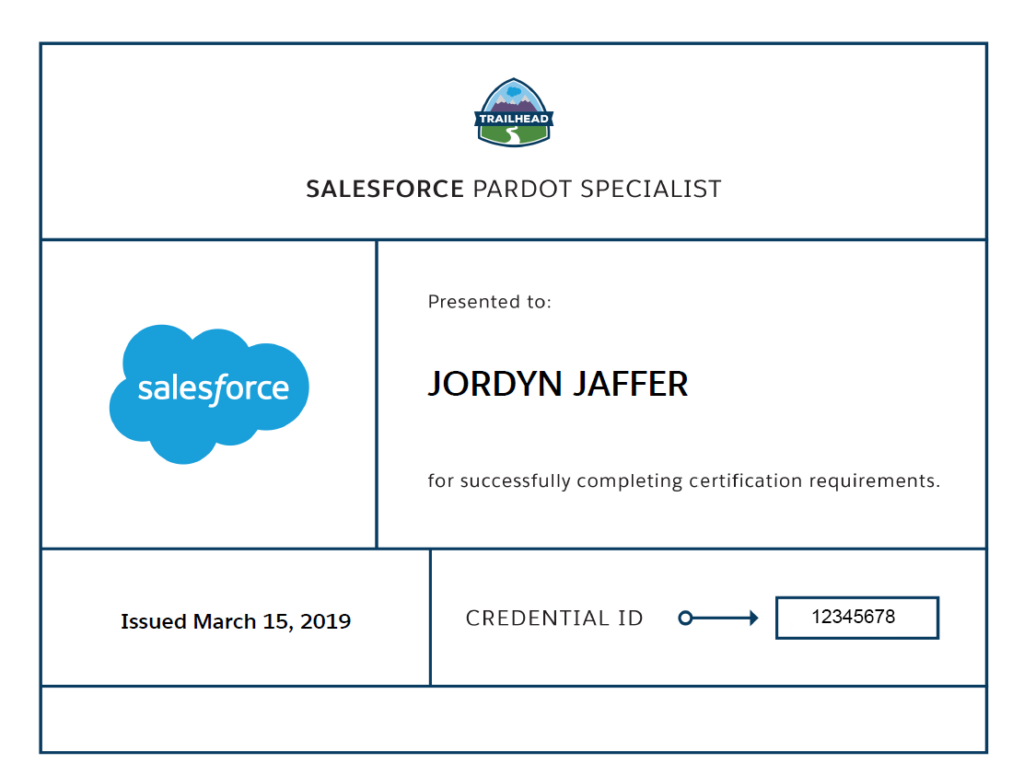
I earned my Pardot Specialist Certification while working for the Atlanta Braves. But, I decided to leave the Atlanta area in late 2019. I moved to the Northeast, which is where I’m from.

Pardot specialist certification

Learning Pardot while working as a Salesforce admin

I quickly found a job as a Salesforce & FinancialForce administrator for a specific department at Northeastern University, my alma mater. Northeastern didn’t use Pardot, so there was no way for me to continue learning within an actual Pardot environment. 

I knew I wanted to get back into the Pardot ecosystem eventually, but I didn’t know when.  So, I applied to join the inaugural Salesforce Marketing Champions class as a way to prove to myself that I can still be attached to Pardot. 

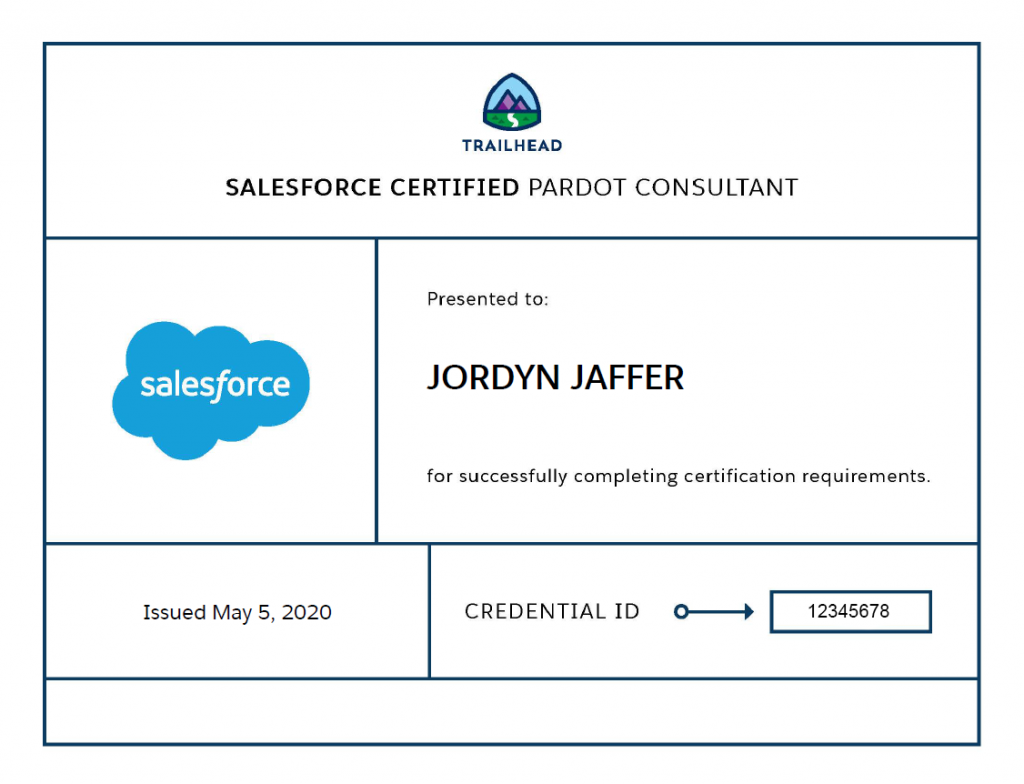
I regretted submitting my application right away. I didn’t think Salesforce would pick someone with less than two years of Pardot experience and who wasn’t even working with Pardot at the time. Luckily, I was chosen to join the Marketing Champions class and soon after achieved my Pardot Consultant Certification by continuing to study as much as I could.

pardot consultant certification

Finding my way back to working with Pardot

sercante logo

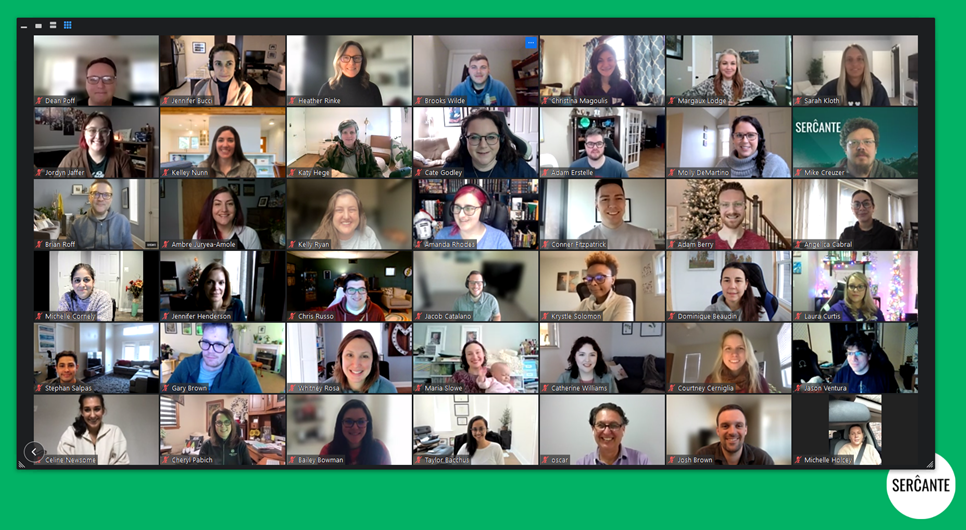
Fast forward to September 2021, an old colleague from the Atlanta Braves recommended that I join the Sercante team. I was fortunate enough to be offered the job and joined a team that mainly focuses on guided implementations with clients. 

After learning more about the members of not only my team, but the entire company, I slipped back into being anxious and wondering if my boss would believe that I didn’t know as much about Pardot as I said during my interview. There were so many concepts that I didn’t have actual experience with. I worried about being able to articulate things correctly during my client calls. 

Fortunately, I found my way to the right place. There are a vast number of resources available within the Pardot community (and within Sercante) that helped me fill the gaps. These Pardot resources eased my anxiety, and I know I’ll use everything I learn for the rest of my time in the Pardot ecosystem.

What is imposter syndrome?

You just read the long story about my Pardot journey and may be wondering, “What is imposter syndrome anyway?” 

As I referenced above, imposter syndrome can be feelings of anxiety over not knowing certain topics and being called out for that knowledge gap. It can also come in the form of putting yourself down even though you have evidence of your success and knowledge. 

If you have ever felt like luck was the main factor when reflecting on your achievements, then you may be struggling with another form of imposter syndrome.

Why people in tech jobs experience imposter syndrome

A 2018 study showed that 58% of people working in technology jobs experience imposter syndrome. Within that survey, 66.88% of people working at Salesforce said they have experienced the feeling of imposter syndrome.

One reason that people in tech feel may like impostors is because they have a different background from the people they work with. Or they may have recently started working in a new position and they are feeling doubtful about their ability to take on new responsibilities and manage new tools.

Imposter syndrome is usually prevalent within the Pardot ecosystem. That’s because there’s limited knowledge of the platform outside of those who use it. Like other Salesforce cloud admins, many Pardot admins get thrown into the role when their company migrates or upgrades their marketing automation tool. 

The “accidental admin” roles can make people feel like they’re on their own and don’t have anyone to discuss issues or ideas with. It can also be very depleting to train your coworkers on a platform that you don’t have much experience on. Without having other companies or admins to benchmark against, you may believe that you cannot possibly be considered as a valuable resource in the Pardot community.

How to continue to sharpen your Pardot skills and combat imposter syndrome

If you read “Pardot Admins & the Lurking Impostors” back in 2017, written by Andrea Tarrell (the CEO of Sercante), then you may already have an idea of how you can fight your imposter syndrome. We’ll be looking into those ideas in detail to help us determine the best strategies to hone your Pardot skills.

Here are my favorite resources for keeping my Pardot and digital marketing skillset up-to-date so I feel more confident in my work.

Salesforce Trailhead!

Trailhead logo

Trailhead is typically the first place I recommend to anyone who wants to learn more about Salesforce as a whole or an individual product offered by Salesforce. Although there is not a lot of content on Pardot as there may be on other products, there are still a couple trails and a Trailmix you can use to enhance your skills:

Salesforce Pardot community resources

Salesforce Pardot community resources (these are created and hosted by the Pardot team at Salesforce) are also a great place to learn information on various Pardot features.

There are tons of free webinars and downloadable content, as well as a detailed outline of what you need to know when first getting started with Pardot. I also highly recommend joining the Pardot Community Group where you can ask questions and get answers from other Pardot users around the world.

Pardot user groups

Along the same lines as using resources from Pardot, you can also join a Pardot user group that is based where you live. These are user groups that are led by community members who go through the Trailblazer Community User Group process.

It is very easy to see what user groups are active in various areas by going to the Trailblazer Community Groups page. I recommend checking out other areas as well as most user groups are still meeting virtually and are open to anyone to join. Most user groups are preparing their 2022 schedule right now, but here are six of the most active Pardot User Groups, in North America, from 2021 to look out for:

Get Salesforce certified

As Andrea previously mentioned in her article, “If a cert makes you feel better, do it.” Getting certified in various Salesforce products and features has helped me personally combat my imposter syndrome as it shows me that I do know my shit when it comes to certain topics.

The Pardot Specialist certification is the first cert recommended for anyone who has experience as a Pardot Admin. If you feel as though you are prepared to take the exam by the end of January 2022, you should take advantage of Salesforce’s 30% offer to save some money when signing up for your exam. I also recommend reading my colleague’s post on her tips to pass the Pardot Specialist exam.

Pardot Admin Bootcamp training course

Finally, I recommend signing up for Pardot training sessions from a trusted instructor or Salesforce partner to learn about topics more in-depth from Pardot experts.

Sercante offers Bootcamps for Pardot Admins and mini-workshops on specific Pardot topics. These courses are run by the consultants and experts who work at Sercante and provide hands-on experience that will help you retain the knowledge you learn.

Get the Pardot skills you need to feel a sense of belonging

Imposter syndrome is something that most people will have to deal with at some point in their professional lives. I know I have experienced it in each of my roles and am still struggling with it in my current role at Sercante. 

When it comes to battling imposter syndrome within the Pardot ecosystem, there are many resources that you can use to continually improve your Pardot skills and prove to yourself and others that you do belong.

If you are experiencing imposter syndrome as a Pardot admin, user, or consultant and have additional tips on how to combat it, we would love to hear from you in the comments!

I think we need to do more to celebrate the work that Pardot and Marketing Operations pros do. I’ll explain why. 

But first, a random story.

A mysterious package

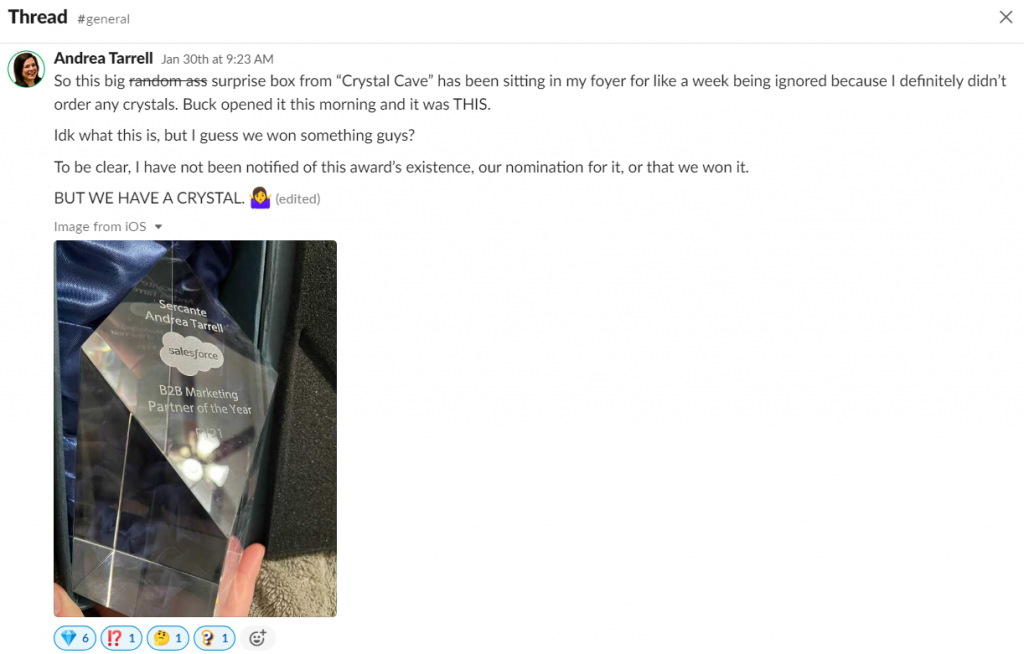
One day a large brown box from Crystal Cave showed up at my door. It was addressed to me.

“I didn’t order this,”

I grumbled to myself, kicking it to the corner of my foyer. I assumed it was my hubby’s or something.  Maybe a gift?  I didn’t think too hard about it.

After a week of tripping over this thing, I finally opened the box.  It was lined with dark blue satin and held a large crystal prism with the words “B2B Marketing Partner of the Year” etched into it.

I had so many questions.

What is a B2B Marketing Partner of the year?

How did we get nominated?

Who were the judges?

Who did we compete with?

Whatever the source of this mysterious sparkly object, I was excited, so I posted it in Slack to show the Sercante team:

I patiently waited to hear the backstory from the anonymous awarder.

But no one said anything.

Someone suggested saying the engraved part in Latin in hopes the incantation would reveal its purpose and unleash its power.

That did not prove effective.

So I reached out to our Partner Account Manager.  No clue, had never heard of it. 

I reached out to Pardot.  Also had never heard of it.

In the absence of an actual documented reason for the trophy, I turned to introspection.

“Maybe the best trophy is the one we give ourselves.”

“Maybe the real trophy is the friends we made along the way.”

I briefly considered mailing people I respect in the ecosystem unsolicited trophies for “best hair” or “most likely to sleep through a Dreamforce keynote” and other such superlatives.

Anyway, it’s been 10 months now. I still have no idea who sent me this thing, but sometimes I do curls with it on calls because it weighs at least 10 pounds.

The recognition gap in marketing operations

The strangeness of this aside, one of the things this random trophy got me thinking about is that this is a hard field to find recognition in.

The role of Pardot Admin is weird in that if you’re doing everything right, a lot of times no one will notice anything.  If your automations are firing behind the scenes, data is getting cleaned, leads are getting routed, opportunities are getting nurtured… it’s kind of just business as usual.  When someone notices it’s often because something bad happened.

It’s also tough to be a solo admin and not have someone to share successes with.  There aren’t many places to say “I built this!” and celebrate what worked.

That’s one of the reasons the ParDreamin’ team has decided to include an award show in this year’s ParDreamin’ conference.  We’re calling it the ParDreamies.  And yes, there will be crystal trophies.

Pardot Award Show

About the ParDreamies, the first-ever Pardot awards

People do really cool stuff in Pardot, and we want to recognize them for it.

The ParDreamies Awards will honor Pardot community members for finding creative and thoughtful methods to reach business goals using the power of the Pardot platform.

Please consider submitting your work or nominating someone that you know that’s crushing it on the platform.  Here are the most important things to know:

Deadline to enter

You have to submit your entry before the deadline for a chance to win. The deadline for entering is October 15, 2021.

Eligibility 

The competition is open to all individuals, companies, and organizations involved in producing any marketing and communication materials utilizing the Pardot platform for external or internal audiences.

To be eligible, an entry must have been produced after January 1, 2020.

Entry Fee

The ParDreamies inaugural event is launching with FREE submissions.

Award categories

1: Personalization Perfection: Right-time, right-message marketing

2: Social Impact: Creating positive change through Pardot

3: Grassroots Innovation: Scaling small business with Pardot

4: Extending Pardot: API-driven solutions

All entries will also be submitted into the Best In Show category. See who will be crowned the overall winner of 2021.

When you’ll see the winners

We’ll announce the winners of the ParDreamies Awards during the VIP After Party taking place October 28, 2021 @ 4 p.m. ET – 6:30 p.m. ET.

Be sure to sign up for a VIP pass to ParDreamin’ so you can cheer for the winners during the live event!

Submit your entries for the Pardot Awards!

What better way to recognize a client or someone you know from the community who is crushing it? Or to celebrate your own hard-earned wins on the platform?

The entry form is quick and easy… so get yours in!

No more posts to show